Portland, TN · Sumner County
Water Damage Assessment in Portland, TNMold Growth Risk Assessment & Restoration Scope
Water Damage Assessment in Portland after water intrusion involves water leak source detection, moisture mapping, and structural damage inspection.
Answered 24/7
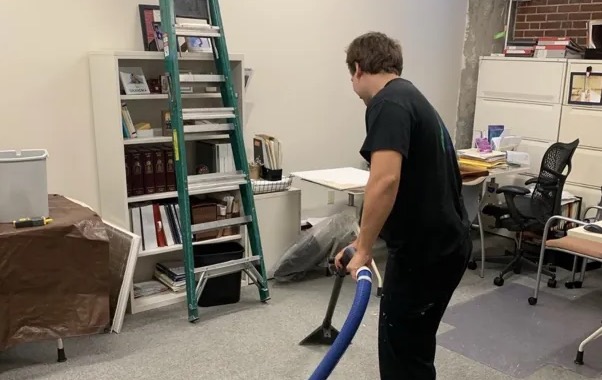
Comprehensive Water Damage Assessment in Portland, Tennessee
Effective water damage evaluation in Portland helps ensure that all moisture sources are identified, reducing the chance of recurring issues or unseen mold development. Local damage assessment specialists apply structured protocols to evaluate both visible and concealed damage.
In Portland, an inspection finds where water got in and how far it spread. Local damage assessment specialists check for hidden water and mold risk in homes and businesses, also around White House, Gallatin and Hendersonville.
Water Damage Assessment Methods Used in Portland
Mold Growth Risk Assessment
Mold spores are always present. The assessment finds damp surfaces and cavities where mold could grow, which guides the final dryness checks in Portland.
Restoration Scope
The written scope lists the work needed to return the property to its condition before the loss, which helps when talking with your insurer.
Drying Equipment Plan Development
The assessment translates into equipment selection. The specialists determine the number of air movers, dehumidifier capacity, and need for supplemental tools.
Structural Damage Inspection
Water weakens structural components like framing, subfloors, and support beams. During water damage assessment, the specialists evaluate these elements for swelling, warping, softening, or decay.
Hidden Water Damage Inspection
Hidden water damage can go unnoticed behind walls and under floors. The pros use moisture meters and thermal imaging to find concealed moisture.
Symptoms Calling for Water Damage Assessment in Portland
Visible Mold Patches
Spots of mold on surfaces are a clear sign of excess moisture and demand a thorough mold inspection after water damage.
Water Pooling in Unusual Areas
Standing water in a basement, crawl space or around appliances means water is getting in and the area needs inspection.
Spongy or Soft Drywall
Walls that feel soft to the touch indicate significant water saturation, a key finding in any home water damage evaluation.
Stained or Sagging Insulation
Discolored, damp, or drooping insulation in an attic or crawlspace is a red flag for ongoing water infiltration.
How Water Damage Assessment Works in Portland
Step 1: Property-Wide Water Leak Assessment
The process starts with a systematic search for all active and past leaks. The specialists examine plumbing, appliances, and the building envelope for failure points.
Step 2: Hidden Water Damage Detection Phase
Using non-invasive tools, the specialists probe behind walls and under floors. This critical phase finds moisture that isn't visible during a standard walkthrough.
Step 3: Evaluation of Salvageable Materials and Belongings
Every affected room undergoes a content and belongings evaluation. The specialists separate items for cleaning, items for disposal, and document everything for the homeowner's insurance claim.
Step 4: Drying Strategy and Equipment Planning
Based on the moisture map, the specialists design a targeted drying equipment plan. This specifies the number and placement of air movers, dehumidifiers, and monitoring sensors needed.
Common Causes of Water Damage in Portland
HVAC System Condensation Issues
Clogged drain lines or malfunctioning condensate pumps in air conditioners can cause water to back up and damage ceilings and walls.
Sewer Line Backups and Overflows
Blockages in the main sewer line can force contaminated water back through drains, creating a severe Category 3 water hazard.
Sprinkler System or Irrigation Leaks
Broken sprinkler heads or underground line leaks can saturate soil next to a foundation, promoting water intrusion and mold.
Severe Weather and Flooding
Heavy rain and flash floods can overwhelm drainage and push water into a building quickly.
Local Water Damage Assessment for All Portland Property Types
Residential Water Damage Assessment
When a pipe bursts, the experts find the source and outline the extraction and drying needed for the home.
Commercial Water Damage Assessment
In warehouses or manufacturing plants, a flood damage assessment evaluates impacts on machinery, raw materials, and electrical systems. The pros prioritize areas to prevent corrosion and production delays.
The Risks of Skipping Pro Water Damage Assessment in Portland
Removing excess water from hard surfaces with a mop or wet vacuum is a reasonable first step for a small, clean water incident. Do not attempt to pull up saturated carpet or padding yourself.
Factors Influencing Water Damage Assessment Cost in Portland
Pricing for flood damage assessment in Portland considers the category and class determination of the water and the development of a drying equipment plan.
Extent of Water Intrusion
The size of the leak and the number of rooms affected set how long the inspection takes.
Drying Plan Complexity
Developing a detailed drying equipment plan for a large-scale flood damage assessment influences the initial evaluation phase.
Emergency Service Timing
An inspection at night or on a weekend may cost more than one during business hours.
Does Insurance Cover Water Damage Assessment?
Whether insurance covers a water damage inspection is a matter for your specific policy. The specialists provide a thorough report with moisture mapping to support your claim.
Advantages of Hiring Local Specialists for Water Damage Assessment in Portland
Belongings Assessment
Personal contents and belongings are evaluated for water damage as part of the overall property assessment process.
Mold Risk Identification
The assessment includes evaluating conditions for mold growth after water damage to inform necessary next steps.
IICRC-Standard Inspection Methods
The pros follow industry standards for moisture mapping and leak detection, so the assessment of properties in Portland is accurate.
Urgent Water Damage Assessment for Portland Property Emergencies
If you discover a leak, call (615) 985-6819 for emergency water damage assessment. Early action allows the specialists to start evaluating structural impact and moisture levels.
Call Now (615) 985-6819Portland and Region Water Damage Assessment Availability
Each place listed below has its own page with local details.
- Water Damage Assessment in White House
- Water Damage Assessment in Gallatin
- Water Damage Assessment in Hendersonville
- Water Damage Assessment in Goodlettsville
- Water Damage Assessment in Springfield
- Water Damage Assessment in Clarksville
- Water Damage Assessment in Tullahoma
- Water Damage Assessment in Lebanon
Water Damage Assessment FAQs
When is an emergency water damage inspection needed?
An emergency inspection is critical for major leaks, flooding, or any water incident where rapid documentation and action are needed to prevent further damage.
What is the difference between water damage inspection and restoration?
Inspection is the diagnostic phase that assesses and documents the damage. Restoration is the physical work of drying, cleaning, and repairing based on that assessment.
What tools are used for hidden water damage detection?
The pros use moisture meters, thermal imaging cameras, and borescopes to locate moisture behind walls and under floors without invasive demolition.
Why is moisture mapping important after a leak?
It records every affected area on a map, which guides drying and supports an insurance claim.
Is mold inspection after water damage always necessary?
While not always immediately visible, assessing mold risk is a prudent part of the process, as mold can begin growing within 24-48 hours in damp conditions.