Franklin, TN · Williamson County
Mold Structural Damage Restoration in Franklin, TNStructural Wood Mold Treatment & Post-Remediation Structural Drying
When mold compromises structure in Franklin, Mold Structural Damage Restoration involves subfloor mold remediation, mold infested drywall removal, and emergency mold containment setup.
Answered 24/7
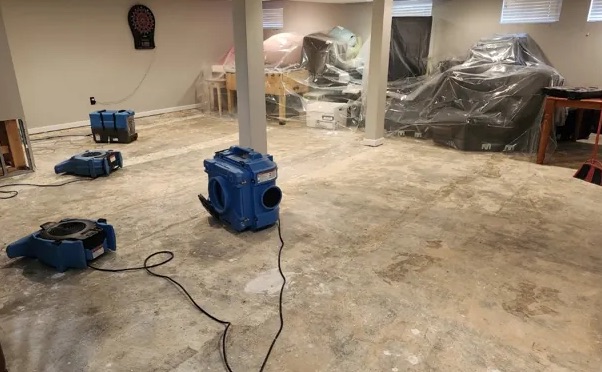
Professional Mold Structural Damage Restoration in Franklin, TN
In Franklin, properties with mold structural damage face issues like compromised indoor air quality and progressive decay of materials like wood and drywall. An inspection shows how far the problem goes.
In Franklin and nearby communities like Westhaven, Brentwood Estates and Thompson's Station, moldy drywall and ducts must be removed or cleaned. Local structural damage restoration pros handle these tasks. The water damage restoration experts in Franklin remove only what cannot be saved and clean or restore the rest whenever practical.
Comprehensive Mold Structural Damage Restoration in Franklin
Structural Wood Mold Treatment
Mold on structural wood can weaken it over time. Treatment cleans the wood deeply and applies antimicrobial products once the moisture source is fixed.
Post-Remediation Structural Drying
Drying after remediation keeps mold from returning. The pros set up targeted drying systems to eliminate residual moisture.
Mold Damaged Flooring Removal
Mold-damaged flooring removal is more than a demolition job. It involves identifying the moisture pathway, protecting unaffected areas, and preparing a clean substrate for whatever new flooring you choose.
HVAC Duct Mold Cleaning
The pros perform thorough internal cleaning of contaminated HVAC ductwork, plenums, and coils to stop spore circulation.
Emergency Mold Containment Setup
Containment comes first when mold growth is heavy. It involves sealing off doorways, vents, and other openings with plastic sheeting and establishing negative pressure within the work area for safety.
Indicators You Require Mold Structural Damage Restoration
Visible Mold Patches on Walls
Dark spots or fuzzy mold on drywall or wood surfaces indicate active mold damage behind the surface.
Flooring That Feels Spongy
Soft spots underfoot on laminate, tile, or wood floors often point to subfloor mold damage.
HVAC System With Dusty Smell
Mold in air ducts often circulates a dusty, musty odor whenever the heating or cooling runs.
Discolored or Deteriorating Wood
Structural beams or studs that appear darkened, stained, or soft may have advanced wood mold.
How Mold Structural Damage Restoration Works in Franklin
Step 1: Mold Inspection and Damage Assessment
The pros begin with a detailed inspection, using tools to map moisture and locate all mold damage within the structure.
Step 2: Emergency Mold Containment Setup
To prevent spore spread, pros establish containment with barriers and negative air machines, isolating the work area from the rest of the property.
Step 3: Structural Mold Removal and Treatment
Affected materials like drywall, insulation, and wood are removed or treated. This includes removing drywall and treating structural wood.
Step 4: Post-Remediation Structural Drying
Drying equipment removes the remaining moisture from the structure so mold does not return.
Typical Sources of Mold Structural Damage
Improper Drying After Water Damage
Incomplete drying after any water incident leaves hidden moisture that turns into mold within days.
Poor Bathroom Ventilation
Shower steam with no exhaust fan leads to moisture buildup on walls and ceilings, encouraging mold.
Flooding From Storms
Stormwater entering a home saturates porous building materials, requiring drying to prevent structural mold damage.
Foundation Water Seepage
Groundwater or poor drainage can wet subfloors and support posts, causing mold in crawl spaces and basements.
Home and Business Mold Structural Damage Restoration Serving Franklin
Residential Mold Structural Damage Restoration
Household mold damage restoration frequently starts in bathrooms, kitchens, and basements where moisture is common. The pros treat the subfloor and remove the mold at its source.
Commercial Mold Structural Damage Restoration
For schools or medical facilities, strict protocols govern mold remediation. Pros remove black mold and repair the structure to keep occupants safe and meet code.
Mold Structural Damage Restoration vs. DIY: When to Call Local Experts
Before the pros get there, you can remove easily accessible personal items from the affected room to speed up their work. Do not attempt mold infested drywall removal or structural wood treatment yourself, as this requires containment and specialized tools.
Factors in Mold Structural Damage Restoration Pricing for Franklin
The overall expense is influenced by the scale of required containment procedures to prevent cross-contamination throughout the property. It also depends on the extended duration of structural drying often needed after remediation in enclosed spaces like wall cavities.
Containment Level
Establishing negative air pressure and sealing off work zones adds to the project scope and required equipment.
Structural Drying
Post-remediation structural drying duration and the number of air movers or dehumidifiers needed influence the overall timeline and cost.
Emergency Response
After-hours or weekend work to set up mold containment may cost more than scheduled work.
Does Insurance Cover Mold Structural Damage Restoration?
There is no standard answer for insurance covering mold and mildew removal from structures. Review your policy for mold riders or specific exclusions. The pros supply the necessary damage assessment documentation. Your adjuster approves any structural repair after mold, so confirm with them.
Benefits of Local Experts for Mold Structural Damage Restoration
24/7 Emergency Response
Help is available to set up emergency mold containment and prevent further structural damage spread.
Comprehensive Mold Removal
The process addresses both visible mold and hidden spores in materials like drywall, insulation, and subfloors.
Thorough Drying Protocols
Post-remediation structural drying uses industrial equipment to remove residual moisture from rebuilt cavities and materials.
24/7 Emergency Mold Structural Restoration in Franklin
Emergency mold and mildew removal from structural components cannot wait. For help with containment and assessment in Franklin, call (615) 985-6819 anytime. The experts focus on halting further structural damage during the initial response.
Call Now (615) 985-6819Mold Structural Damage Restoration in Franklin and Other Areas Served
Other places served are listed below, each with its own page.
- Mold Structural Damage Restoration in Westhaven
- Mold Structural Damage Restoration in Brentwood Estates
- Mold Structural Damage Restoration in Thompson's Station
- Mold Structural Damage Restoration in Brentwood
- Mold Structural Damage Restoration in Forest Hills
- Mold Structural Damage Restoration in Nolensville
- Mold Structural Damage Restoration in Belle Meade
- Mold Structural Damage Restoration in Oak Hill
Mold Structural Damage Restoration Common Questions Answered
How long does mold structural damage restoration typically take?
The timeline depends on the scope, but a project can range from a few days for a localized issue to a week or more for extensive structural damage repair.
How is mold contaminated insulation removal performed?
Affected insulation is carefully bagged and removed, the cavity is cleaned and treated, and new insulation is installed only after the area passes mold inspection and is fully dry.
Why is structural drying a separate phase after mold removal?
Drying removes moisture left from the leak or the remediation, which prevents mold from coming back.
How is mold and mildew removal from structural elements different?
Mildew is surface-level and can often be cleaned. Deep structural mold gets into materials, so those materials must be removed.
What is the goal of mold abatement in this context?
It removes active mold and spores from structural materials to a level safe for occupancy.