Franklin, TN · Williamson County
Air Duct Mold Removal in Franklin, TNAir Duct Mold Inspection & HVAC Duct Mold Remediation
For effective air duct mold removal in Franklin, consider air duct mold inspection, ductwork mold spore removal, and post-remediation air testing.
Answered 24/7
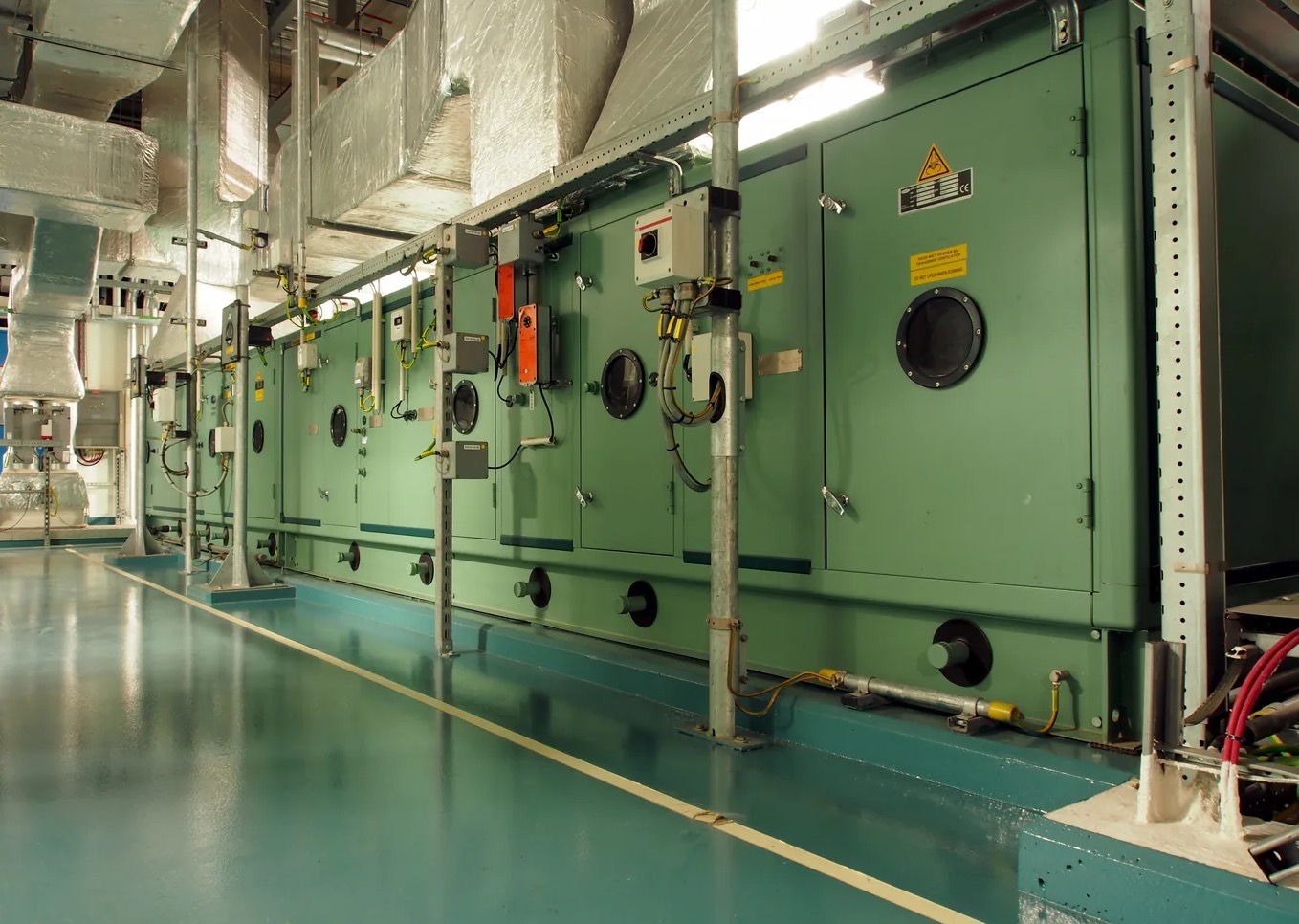
Air Duct Mold Removal: Clean Air Ducts in Franklin, TN
Addressing mold in air ducts in Franklin is a direct step toward air quality improvement. Clean, sanitized ductwork contributes to a healthier indoor environment and can support more efficient HVAC system operation.
Air duct mold removal in Franklin is a service local mold remediation experts perform regularly. Properties here, and in nearby areas like Westhaven, Brentwood Estates and Thompson's Station, can benefit from duct cleaning for mold. The process improves air quality and system performance for residents throughout the region.
Complete Air Duct Mold Removal Solutions for Franklin
Air Duct Mold Inspection
Before cleaning, the experts conduct a full air duct mold inspection. They examine vents and the air handler for mold.
HVAC Duct Mold Remediation
Remediating mold from HVAC ducts is a systematic process. The experts address root contamination within sheet metal and flex duct. This cleaning stops the cycle of spores blowing into living spaces.
Ductwork Mold Spore Removal
Removing mold spores requires microscopic filtration. The experts use HEPA vacuum systems and air scrubbers. This matters most for people with allergies or asthma.
Preventive Duct Maintenance Plans
A preventive duct maintenance plan helps sustain clean ducts after remediation. The experts may recommend scheduled check-ups for the air handler and vents. This ongoing service supports long-term air quality.
Air Handler Mold Cleanup
Mold thrives in the air handler's damp environment. The experts clean the blower assembly, coils, and drain pan. This removes a primary contamination source for Franklin homes.
Indicators for Air Duct Mold Removal in Franklin Homes
Musty Odors From Vents
A persistent earthy smell when your HVAC runs suggests mold growth in the ductwork, circulating spores throughout your home.
Mold in the Air Handler
Visible mold on the evaporator coils or inside the blower compartment is a major source for duct contamination.
Inefficient HVAC Performance
A system struggling to maintain temperature may have mold-blocked ducts, which reduces efficiency and increases energy costs.
Poor Airflow From Registers
Reduced airflow can be caused by mold and debris blocking ducts, forcing your system to work harder and spread contaminants.
How Air Duct Mold Removal Works in Franklin
Step 1: Comprehensive Air Duct Inspection
The experts begin with a detailed visual inspection using cameras to assess mold growth extent throughout your duct system and air handler.
Step 2: Containment and HEPA Filtration
They set up containment barriers and run negative air machines with HEPA filters to prevent spore spread during the duct cleaning for mold process.
Step 3: Agitation and Debris Removal
Specialized brushes and air whips dislodge mold and debris from duct walls, which is then extracted using powerful, truck-mounted vacuum systems.
Step 4: Antimicrobial Treatment and Sanitization
After removal, an EPA-registered antimicrobial agent is applied to duct surfaces to inhibit future mold, completing the air duct sanitization.
Sources of Mold Contamination in Ducts
Poorly Sealed Ductwork
Gaps or cracks in ducts can draw in humid air from attics or crawl spaces, creating a moist environment ideal for mold.
Condensation on Cooling Coils
As warm air passes over cold AC coils, condensation forms; if not properly drained, this water can drip into and soak ductwork.
Dust and Organic Debris Buildup
Dust, skin cells, and pollen accumulating in ducts provide a food source for mold spores when combined with any moisture.
Lack of Regular Duct Cleaning
Without periodic air duct cleaning services, moisture and debris accumulate over years, creating an entrenched mold contamination issue.
Air Duct Mold Removal for All Properties in Franklin
Residential Air Duct Mold Removal
In homes, mold in air ducts can affect every room, spreading allergens that impact family health. The pros clean the entire system, from the air handler to each register.
Commercial Air Duct Mold Removal
Air duct mold remediation for commercial spaces involves scaling the cleaning process to larger, more complex HVAC systems, often requiring work during off-hours.
The Risks of DIY Air Duct Mold Removal in Franklin
Maintaining proper attic ventilation can reduce heat and moisture buildup around ductwork. For systemic issues like chronic humidity or widespread odors, professional post-remediation air testing is a reliable step.
Estimating Your Air Duct Mold Removal Cost in Franklin
The air duct mold removal cost in Franklin depends on the system's complexity and accessibility. Cleaning a simple return duct differs from a full set of supply vents in a multi-story home.
Duct System Size
The total linear footage of ductwork needing cleaning is the most significant factor in determining the overall project scope and required labor hours.
Remediation Method
The chosen cleaning technique, from brushing and vacuuming to fogging with EPA-registered sanitizers, carries different material and equipment cost implications.
Number of Vents
Each supply vent and return-air grill requires individual attention for cleaning and sanitization, directly increasing the labor portion of the total cost.
Does Insurance Cover Air Duct Mold Removal?
Insurance for air duct mold removal is not automatic and is governed by the policy's language. The specialists compile a report with moisture readings and visual evidence for the insurer. Final approval for any reimbursement rests solely with the insurance company.
The Value of Local Mold Remediation Experts for Air Duct Mold Removal in Franklin
Focus on Spore Source Removal
The process targets the mold colony within the ducts, not just masking odors, to remove the source of spores circulating through your home.
Detailed Contamination Documentation
Photo and note documentation of the mold presence in your ductwork is provided for your records and any potential insurance claim discussions.
Comprehensive Air Duct Inspection
A full visual assessment of your duct system identifies all areas of mold growth, moisture sources, and contamination levels to plan a complete remediation.
Round-the-Clock Air Duct Mold Removal for Franklin
Emergency air duct mold removal is available around the clock in Franklin when you need to stop spore circulation. Reach the experts directly at (615) 985-6819 for help.
Call Now (615) 985-6819Air Duct Mold Removal Throughout Franklin
The places below are also served, and each one has its own page.
- Air Duct Mold Removal in Westhaven
- Air Duct Mold Removal in Brentwood Estates
- Air Duct Mold Removal in Thompson's Station
- Air Duct Mold Removal in Brentwood
- Air Duct Mold Removal in Forest Hills
- Air Duct Mold Removal in Bellevue
- Air Duct Mold Removal in Nolensville
- Air Duct Mold Removal in Belle Meade
Air Duct Mold Removal FAQs for Franklin Homeowners
What tools are used for ductwork mold spore removal?
Pros use truck-mounted HEPA vacuums, rotary brushes, and compressed air whips to dislodge mold, followed by antimicrobial foggers to treat the cleaned surfaces.
Does mold commonly grow in the air handler?
Yes, the air handler's dark, sometimes damp interior and the evaporator coil's condensation provide ideal conditions for mold growth if organic dust is present.
What does air duct sanitization involve?
After physical mold removal, air duct sanitization involves applying an EPA-registered antimicrobial agent to duct surfaces to inhibit future mold and reduce odors.
Is containment used during air duct mold remediation?
Yes, pros often seal and create negative pressure in the work area to contain spores released during cleaning, preventing them from spreading to clean parts of the home.
What is included in a preventive duct maintenance plan?
A preventive plan may include periodic inspections, filter changes, and humidity checks to catch conditions conducive to mold growth before a major infestation develops.