Columbia, TN · Maury County
Mold Structural Damage Restoration in Columbia, TNHVAC Duct Mold Cleaning & Mold Contaminated Insulation Removal
When mold causes structural damage in Columbia, Mold Structural Damage Restoration involves mold infested drywall removal, structural wood mold treatment, and HVAC duct mold cleaning.
Answered 24/7
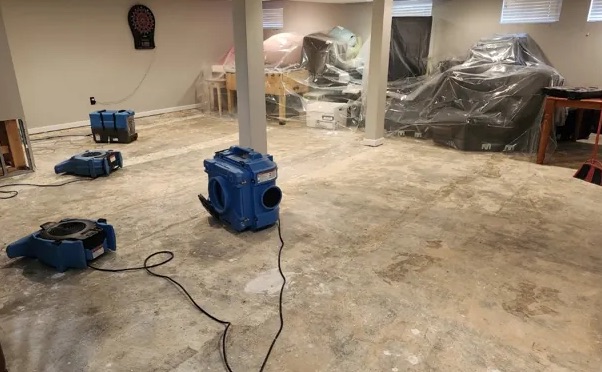
Professional Mold Structural Damage Restoration in Columbia, TN
Mold damage restoration in Columbia addresses both visible destruction and hidden hazards that affect structural stability and indoor air quality. Testing may be needed to find all affected areas in walls, floors and ducts.
In Columbia and nearby communities like Spring Hill, Thompson's Station and Chapel Hill, moldy drywall and ducts must be removed or cleaned. Local structural damage restoration pros handle these tasks. The pros in Columbia remove only what cannot be saved and clean or restore the rest whenever practical.
Detailed Mold Structural Damage Restoration Offerings in Columbia
HVAC Duct Mold Cleaning
Dark, damp ductwork is a common place for mold. Cleaning uses tools that reach deep into the system and remove mold without blowing it into the living space.
Mold Contaminated Insulation Removal
Wet, moldy insulation loses thermal resistance and must be removed. The process involves extraction using vacuum systems and sealed disposal bags. The cavity is then cleared for new insulation.
Post-Remediation Structural Drying
Drying the structure completely after remediation is what seals the success of the project. Using moisture meters, the pros monitor the drying process until all materials meet dry standard specifications.
Mold Infested Drywall Removal
The pros in Columbia follow IICRC-standard methods for drywall demolition and disposal, protecting the home from cross-contamination.
Emergency Mold Containment Setup
Setting up containment controls the mold remediation environment from the outset. It isolates the area to protect workers and occupants before removal starts.
When to Call for Mold Structural Damage Restoration in Columbia
Allergy Symptoms Indoors
Sudden worsening of coughs, itchy eyes, or congestion at home can be a reaction to mold spores.
Cracking or Splitting Wood Joints
As mold weakens structural wood, joints and supports may start to show physical stress cracks.
HVAC System With Dusty Smell
Mold in air ducts often circulates a dusty, musty odor whenever the heating or cooling runs.
Recent Water Damage Stains
Discolored ceilings or walls from past leaks can create the perfect environment for mold.
How Mold Structural Damage Restoration Works in Columbia
Step 1: Source Stopping and Containment
The first action is to stop the water source if active and set up emergency mold containment to limit cross-contamination immediately.
Step 2: Systematic Demolition of Damaged Parts
Compromised structural elements are methodically removed. This often means removing drywall and opening subfloors.
Step 3: Deep Drying of Building Cavities
Industrial dehumidifiers and air movers dry wall cavities, joist bays, and subfloors thoroughly, a key phase in structural drying.
Step 4: Reconstruction Preparation and Documentation
Pros prepare the clean, dry area for rebuilding and provide documentation like photos and readings for your insurance claim review.
What Causes Mold Structural Damage
Chronic Plumbing Leaks
Slow drips inside walls or under floors provide constant moisture, leading to extensive structural mold damage over time.
Improper Drying After Water Damage
Incomplete drying after any water incident leaves hidden moisture that turns into mold within days.
Condensation in HVAC Ducts
Temperature differences in ductwork can create condensation, leading to mold growth inside the air distribution system.
Leaking Window or Door Seals
Failed caulking or seals allow rainwater intrusion into wall cavities, leading to mold on framing and insulation.
Mold Structural Damage Restoration for Homes & Businesses in Columbia
Residential Mold Structural Damage Restoration
Residential mold cleanup often involves delicate materials like plaster and historic wood. The specialists remove drywall and repair the structure while keeping the home's character.
Commercial Mold Structural Damage Restoration
In commercial settings, mold can spread quickly through shared HVAC systems. The experts clean ducts and dry the structure so air circulates safely.
DIY Mold Removal vs. Professional Mold Structural Damage Restoration in Columbia
After a minor leak, you can wipe up standing water and move wet items to aid drying. If materials like drywall or flooring remain damp over 48 hours, contact the pros in Columbia for mold damage restoration before mold establishes.
Factors in Mold Structural Damage Restoration Pricing for Columbia
Labor for drywall removal or subfloor treatment shapes the scope in Columbia. The amount of material requiring treatment or replacement is another primary factor in the project's requirements.
Containment Level
Establishing negative air pressure and sealing off work zones adds to the project scope and required equipment.
Testing and Verification
Post-remediation mold testing to confirm clearance adds a final step and associated lab analysis fees.
Extent of Damage
The square footage of mold-compromised structural materials, from a small section to an entire wall system, dictates labor and material needs.
Does Insurance Cover Mold Structural Damage Restoration?
Mold damage restoration coverage is a complex insurance matter. Many policies limit or exclude mold unless it originates from a sudden, accidental discharge. The specialists document the structural repairs needed. Ask your insurer about coverage for mold cleanup and drying before work starts.
Why Columbia Properties Need Local Mold Remediation Pros for Mold Structural Damage Restoration
Comprehensive Mold Removal
The process addresses both visible mold and hidden spores in materials like drywall, insulation, and subfloors.
Detailed Damage Documentation
Pros document all affected areas with photos and moisture data, which can assist in your insurance claim process.
Clear Scope Communication
You receive a clear explanation of necessary steps, from mold contaminated insulation removal to final repairs.
24/7 Emergency Mold Structural Damage Restoration in Columbia
If black mold is discovered on structural elements like studs or floor joists, contact (615) 985-6819 for 24/7 assistance. Emergency containment and remediation keep wood and drywall from deteriorating further.
Call Now (615) 985-6819Mold Structural Damage Restoration in Columbia and Other Areas Served
Each place listed below has its own page with local details.
- Mold Structural Damage Restoration in Spring Hill
- Mold Structural Damage Restoration in Thompson's Station
- Mold Structural Damage Restoration in Chapel Hill
- Mold Structural Damage Restoration in Westhaven
- Mold Structural Damage Restoration in Franklin
- Mold Structural Damage Restoration in White Bluff
- Mold Structural Damage Restoration in Bon Aqua Junction
- Mold Structural Damage Restoration in Lakewood
Mold Structural Damage Restoration FAQs
What is involved in mold structural damage restoration?
It includes assessment, containment, removal of moldy materials, treatment of the remaining structure, drying and final testing.
When is HVAC duct mold cleaning recommended?
If an inspection finds mold in the ductwork, it needs to be cleaned so the system does not spread spores through the home.
How long does mold structural damage restoration typically take?
The timeline depends on the scope, but a project can range from a few days for a localized issue to a week or more for extensive structural damage repair.
Why is emergency mold containment setup important?
Containment with plastic sheeting and negative air pressure isolates the work area, preventing mold spores from spreading to clean parts of your home during remediation.
Does mold testing happen before and after restoration?
Pre-testing can identify spore types and levels. Testing after remediation is standard to confirm cleanup and drying worked.