Rural Hill, TN · Davidson County
Heating Equipment Fire Restoration in Rural Hill, TNFire-Damaged Heating System Evaluation & Structural Soot Removal
Heating Equipment Fire Restoration in Rural Hill encompasses smoke odor elimination, emergency fire board up, and HVAC component assessment post-fire.
Answered 24/7
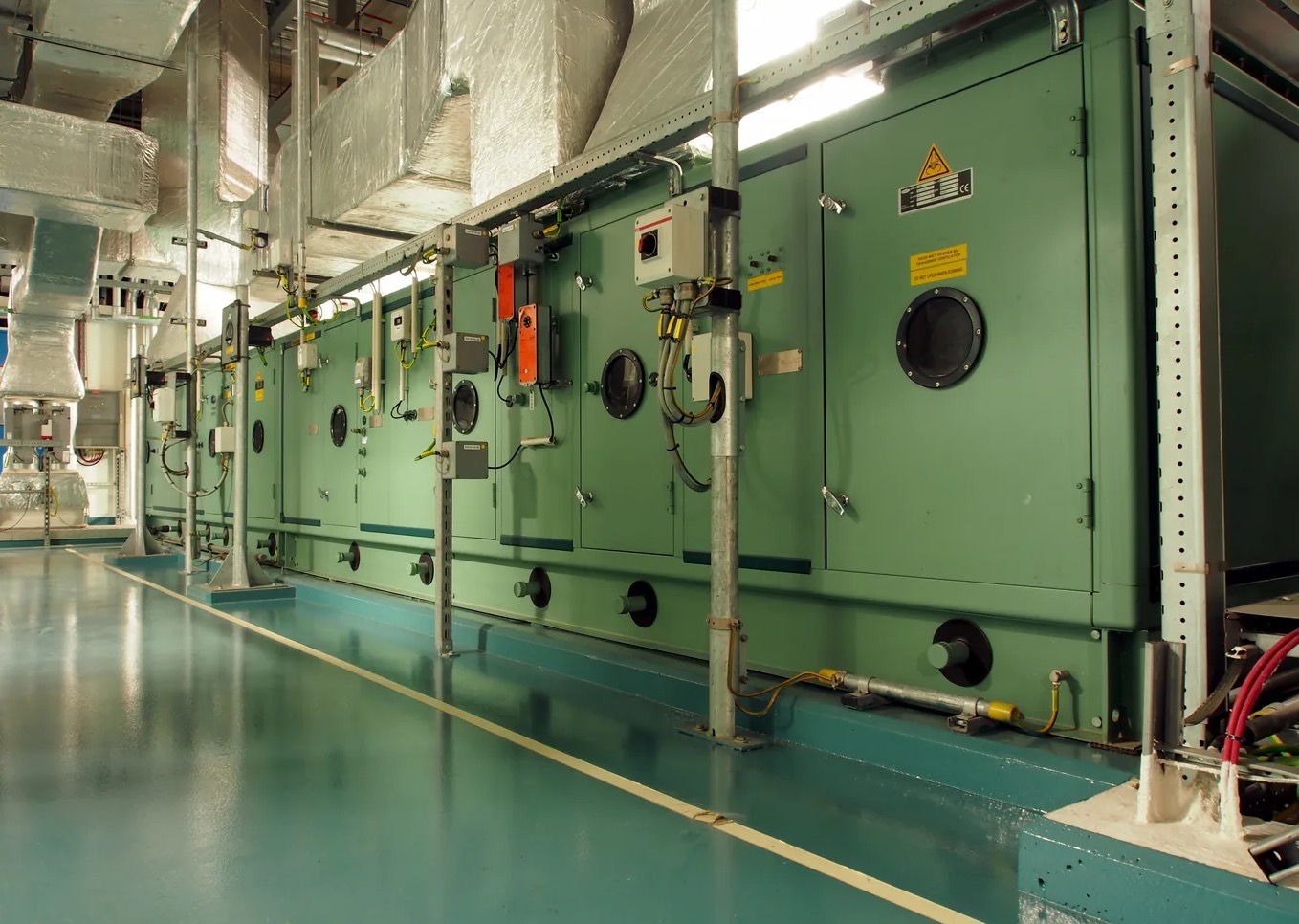
Professional Heating Equipment Fire Restoration in Rural Hill, TN
The aftermath of a heating system fire cleanup involves hidden dangers within ductwork and building cavities. Smoke residues and soot particles can circulate through the air long after the initial event, affecting indoor air quality.
Heating equipment fire restoration in Rural Hill addresses unique risks from heating system fires, which can leave extensive soot and smoke damage in ducts and structures. Local soot cleanup experts provide fire damage cleanup services for properties here and in nearby areas like Antioch, La Vergne and Donelson. They remove soot and smoke odor to industry standards.
Heating Equipment Fire Restoration Services in Rural Hill
Fire-Damaged Heating System Evaluation
A fire-damaged heating system evaluation assesses safety and functionality. The pros identify compromised parts, from burners to thermostats, that could fail if reused.
Structural Soot Removal
Removing soot from structural members prepares a property for reconstruction. The experts clean each affected area, from ceiling joists to wall cavities.
Emergency Fire Board Up
Boarding up after a fire maintains the security and weathertight integrity of a home. The pros cover broken windows and damaged entry points.
Heating System Soot Cleanup
Soot from a heating fire requires targeted cleaning to prevent etching on glass or metals. The pros remove the oily film with methods suited to each surface.
Fire Damaged Duct Cleaning
Fire damaged duct cleaning is necessary because HVAC systems can circulate soot and smoke residues. This involves a thorough cleaning of all ductwork, registers, and the air handler unit.
Warning Signs You Need Heating Equipment Fire Restoration
Visible Ductwork Discoloration
Discolored metal on your heating ducts often means internal smoke damage cleanup is required.
Soot Stains on Walls and Ceilings
Soot stains spreading from the heating unit mean soot must be removed from the structure.
Breathing Irritation After the Fire
Respiratory discomfort indoors suggests poor air quality, making post-fire air quality testing important.
Persistent Smoke Odor in Rooms
A lingering smoke smell after a heating system fire means smoke odor elimination is likely necessary.
How Heating Equipment Fire Restoration Works in Rural Hill
Step 1: Damage Documentation and Stabilization
Documenting the fire damage thoroughly creates a record for the property owner's insurance review, using photos and moisture readings. The next step involves stabilizing the site to prevent soot from spreading.
Step 2: Targeted Soot Cleanup Process
The core fire damage restoration work involves cleaning soot from the furnace, ducts, and structure. Soot is removed to industry standards.
Step 3: Smoke Remediation and Air Scrubbing
Air scrubbers and foggers are deployed for smoke damage remediation. This phase tackles the invisible smoke residues that cause persistent odors.
Step 4: Final Air Quality Validation
To close the job, the experts perform post-fire air quality testing. This validation step confirms the success of the smoke damage cleanup and restoration.
Typical Origins of Heating Unit Fires in Rural Hill
Chimney or Flue Blockage for Heater
A blocked vent for a gas heater forces exhaust gases and heat back, creating a fire risk.
Improper Space Heater Placement
Portable heaters placed near curtains or furniture can ignite them, starting a fire damage cleanup process.
Flammable Storage Near Heating Unit
Paints or chemicals stored next to a furnace can catch fire and fill the house with smoke.
Clogged Heating System Airflow
Severely restricted airflow makes a heater overheat, potentially causing a fire and smoke damage cleanup.
Heating Equipment Fire Restoration for All Property Types in Rural Hill
Residential Heating Equipment Fire Restoration
Residential fire damage frequently affects personal belongings. The experts in Rural Hill focus on content cleaning after fire for items like furniture and electronics. An assessment for heating equipment repair after fire also checks system safety before any reuse.
Commercial Heating Equipment Fire Restoration
For warehouses or factories, soot spreads widely. The experts perform industrial-scale structural soot removal from high ceilings and equipment. Their cleanup suits large spaces and heavy equipment.
Limitations of DIY for Heating Equipment Fire Restoration in Rural Hill
You can change the HVAC air filter if it is accessible and visibly clogged with soot, wearing gloves. Do not run the furnace or blower to test it, as this spreads contamination. Avoid disturbing soot on walls or ceilings. For structural soot removal, professional fire restoration is required.
Factors Affecting Heating Equipment Fire Restoration Cost in Rural Hill
Repairs after a heating fire in Tennessee include both the physical restoration and the smoke treatment needed to make the air safe.
Soot Contamination Level
Dense soot from a heating system fire requires more intensive cleaning methods and time, directly impacting the restoration labor costs for the experts in Rural Hill.
HVAC Assessment Findings
An HVAC component assessment may reveal parts needing repair or replacement, which contributes to the final cost of heating equipment fire restoration.
Emergency Board Up
Emergency board-up to secure the property is an early cost in the restoration.
Does Insurance Cover Heating Equipment Fire Restoration?
Coverage for soot removal after fire is not universal; it hinges on your individual insurance policy. Professionals performing the work compile evidence like moisture readings and soot samples to aid your insurer's evaluation process.
Benefits of Local Soot Cleanup Experts for Heating Equipment Fire Restoration in Rural Hill
IICRC-Standard Soot Cleaning
Soot removal follows industry standards so delicate surfaces are not damaged during cleaning.
Documentation for Claims
Detailed documentation of all damage and restoration steps is prepared to assist you when you file an insurance claim for the loss.
24/7 Emergency Response
Fast action after a heating fire prevents secondary damage from soot and smoke.
Emergency Heating Equipment Fire Restoration in Rural Hill
Board-up and containment come first. For heating equipment fire restoration services in the Rural Hill area, outside standard hours, the number to call is (615) 985-6819.
Call Now (615) 985-6819Locations for Heating Equipment Fire Restoration Including Rural Hill
Each place listed below has its own page with local details.
- Heating Equipment Fire Restoration in La Vergne
- Heating Equipment Fire Restoration in Nolensville
- Heating Equipment Fire Restoration in Smyrna
- Heating Equipment Fire Restoration in Nashville
- Heating Equipment Fire Restoration in Kingston Springs
- Heating Equipment Fire Restoration in Pegram
- Heating Equipment Fire Restoration in Fairview
- Heating Equipment Fire Restoration in Belle Meade
Common Heating Equipment Fire Restoration Questions Answered
What are the steps in the fire restoration process?
Key steps include emergency work to secure the home, soot and smoke cleanup, odor removal, content cleaning and a final check.
What causes lingering smoke odors after cleanup?
Odors persist when smoke particles penetrate deep into porous materials like drywall and insulation, which standard cleaning may not reach, requiring advanced odor elimination.
When is emergency fire board up used?
It's an immediate service to secure windows, doors, or roof openings after a fire, protecting the property from weather and unauthorized entry before restoration begins.
Why is fire damaged duct cleaning necessary?
Soot and debris in ducts can recirculate for months, affecting air quality. Cleaning removes these contaminants to prevent ongoing issues after the fire.
What does heating equipment fire restoration involve?
It usually includes soot cleanup, smoke odor removal, an HVAC assessment and cleaning of fire-damaged ducts.