Rural Hill, TN · Davidson County
Whole-Building Fire & Smoke Odor Removal in Rural Hill, TNThermal Fogging Deodorization & Ozone Treatment For Smoke Odor
Whole-Building Fire & Smoke Odor Removal in Rural Hill pairs whole-house air scrubbing, HVAC duct smoke cleaning, and fire damaged material removal.
Answered 24/7
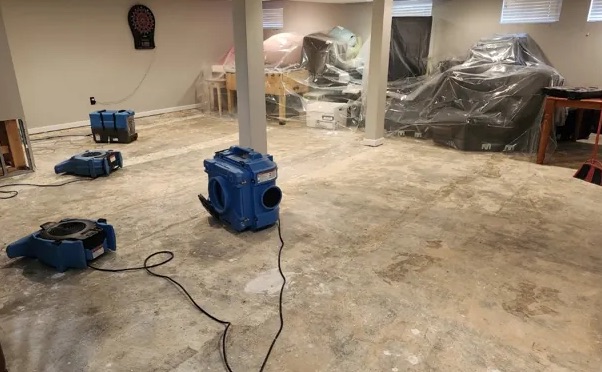
Fire and Smoke Odor Elimination Services in Rural Hill
For homes in the Rural Hill area, getting rid of smoke smell means removing burned material, cleaning what can be saved, and deodorizing in that order. Skipping a step often leaves odor behind.
For homes in Rural Hill and nearby Antioch, La Vergne and Donelson, treating the air alone is not enough because odor binds to surfaces. Local pros clean, deodorize, and then seal porous materials.
Detailed Whole-Building Fire & Smoke Odor Removal Procedures for Rural Hill
Thermal Fogging Deodorization
The fog travels the same way smoke did, into wood, drywall, and insulation, which makes it useful for greasy kitchen fire odors.
Ozone Treatment for Smoke Odor
Local fire odor removal pros in Rural Hill treat empty, closed spaces with ozone, which reaches every corner and breaks down acrid smoke odor.
Surface Sealing for Residual Odor
After cleaning, the pros seal framing, subfloors, and concrete with an odor-blocking coating so trace odor stays locked in.
Air Scrubbing for Whole Buildings
Scrubbers run during soot cleaning and deodorizing, removing particles stirred up as each area of the building is worked on.
Electrostatic Soot Removal
In Rural Hill, the pros use electrostatic methods on soot-covered surfaces that would smear under a wet sponge.
How to Tell If You Need Whole-Building Fire & Smoke Odor Removal
Odor Returns After Opening Windows
When airing out the house does not clear the smell, smoke odor has worked its way into walls, floors, or furniture.
Smell Emanates From HVAC Vents
A smoky smell coming from vents means the HVAC system is carrying odor from the ducts into every room.
Persistent Smoky Odor in Rooms
A fire smell that stays in several rooms after cleaning means odor has soaked into the building, not just the surfaces.
Odor Stronger on Humid Days
A smoke smell that gets stronger on damp days means odor is trapped in porous materials and released when moisture rises.
How Whole-Building Fire & Smoke Odor Removal Works in Rural Hill
Step 1: Comprehensive Soot Removal
Dry and wet cleaning remove visible soot, which carries much of the lingering smoke odor.
Step 2: Deep HVAC System Decontamination
The HVAC system is cleaned and deodorized, since dirty ducts are a common source of returning smells.
Step 3: Advanced Oxidizing Treatments
Ozone or hydroxyl treatment breaks down odor molecules left in the air and in porous materials.
Step 4: Final Deodorization and Cleaning
A final round of cleaning and deodorizing follows, and pros check each room for odor before finishing.
What Makes Fire Odor So Difficult to Remove
Contaminated HVAC Ductwork
An HVAC system running during a fire pulls smoky air into the ducts and coats their insides with soot.
Burning of Synthetic Materials
Burning furniture and plastics produce thick, oily smoke that leaves a sticky, strong-smelling residue on every surface.
Smoke Penetration Into Porous Materials
Smoke odor soaks deep into drywall, wood, and insulation, which then release the smell for months if left untreated.
Residual Oils From Incomplete Combustion
Oily residue from burned materials keeps giving off odor long after the fire is put out.
Comprehensive Odor Solutions for Any Building
Residential Whole-Building Fire & Smoke Odor Removal
In homes, smoke odor in the HVAC system reaches every room. Pros clean the ducts, use electrostatic soot removal, and treat with ozone while the family is out.
Commercial Whole-Building Fire & Smoke Odor Removal
Commercial buildings have large air volumes to treat. Pros use industrial equipment for air scrubbing, removal of burned material, and sealing across whole floors.
The Limits of DIY Fire Odor Elimination
Move badly charred debris outdoors to remove obvious odor sources, and clean fan blades and light fixtures where soot settles. Odor inside insulation, drywall, or wood needs fogging or sealing.
Understanding Whole-Building Fire & Smoke Odor Removal Cost Factors
Duct cleaning and content cleaning add to the scope and the price when the HVAC system and belongings also hold odor.
Affected Material Types
Porous materials like drywall and upholstery often need special treatment or removal, which adds work.
Severity of Smoke Penetration
Heavy smoke residue needs more cleaning passes and repeat treatments than light surface soot does.
Content Cleaning Scope
The number and type of belongings to clean, and whether they go off-site, affect time and cost.
Does Insurance Cover Whole-Building Fire & Smoke Odor Removal?
Whether insurance covers smoke odor removal is the adjuster's decision. The experts provide reports and photos to support your conversation with the insurer.
Benefits of Hiring Fire Odor Removal Pros in Rural Hill
24/7 Emergency Response
Smoke odor sets into materials over time, so starting quickly limits how deep it soaks in.
Comprehensive Odor Attack Plan
Air scrubbing, fogging, and sealing together treat both airborne odor and odor held inside materials.
Thorough Soot Removal
Electrostatic cleaning removes fine soot from surfaces, which has to happen before deodorizing can work.
24/7 Emergency Whole-Building Fire & Smoke Odor Removal Response
Early containment limits the spread of soot and odor through the building. Call (615) 985-6819 24/7 if your property needs help after a fire.
Call Now (615) 985-6819Areas Served for Whole-Building Fire & Smoke Odor Removal
Other places served are listed below, each with its own page.
- Whole-Building Fire & Smoke Odor Removal in La Vergne
- Whole-Building Fire & Smoke Odor Removal in Nolensville
- Whole-Building Fire & Smoke Odor Removal in Smyrna
- Whole-Building Fire & Smoke Odor Removal in Nashville
- Whole-Building Fire & Smoke Odor Removal in Kingston Springs
- Whole-Building Fire & Smoke Odor Removal in Pegram
- Whole-Building Fire & Smoke Odor Removal in Fairview
- Whole-Building Fire & Smoke Odor Removal in Belle Meade
Understanding Whole-Building Fire & Smoke Odor Removal: Frequently Asked Questions
What's the difference between cleaning and deodorizing?
Cleaning removes visible soot residue, while deodorizing breaks down the odor molecules left behind. Most fire jobs need both steps.
Can fire smells come back after treatment?
They can if treatment is incomplete. Cleaning the ducts and sealing porous surfaces keeps odor from coming back after the work.
How is success measured in fire smoke odor elimination?
Pros check each room for remaining smoke odor after treatment and may use particle counters to confirm the air is clean.
How effective is electrostatic soot removal?
Charged cleaning solutions attract fine soot and lift it off surfaces, which prepares them for deodorizing and paint.
What materials typically require fire damaged material removal?
Charred wood, melted plastics, contaminated insulation, and anything that cannot be cleaned or is unsafe are removed and disposed of.