Franklin, TN · Williamson County
Wet Insulation Removal in Franklin, TNWater Damaged Insulation Replacement & Wet Attic Insulation Removal
Emergency Wet Insulation Removal for Franklin includes roof leak water removal, attic drying, and water damaged insulation replacement.
Answered 24/7
Reliable Wet Insulation Removal Serving Franklin, TN
In Franklin, wet insulation removal is vital because soaked insulation loses R-value and risks mold. Water damage pros focus on removal and replacement to restore thermal performance.
Attic leak repair and water extraction are essential for home integrity in Franklin and communities like Westhaven, Brentwood Estates and Thompson's Station. Local wet insulation removal pros handle moisture inspection to insulation replacement, following IICRC-standard methods.
Specialized Wet Insulation Removal for the Franklin Area
Water Damaged Insulation Replacement
After wet insulation removal, replacement restores energy efficiency. The pros in Franklin install batts, blown-in cellulose, or spray foam based on the attic's needs.
Wet Attic Insulation Removal
Soggy attic insulation cannot dry in place and must be removed. The pros follow IICRC-standard methods to extract and dispose of the wet material.
Roof Leak Water Removal
When a roof leak occurs, water spreads quickly. The pros use extractors on pooled areas on insulation and sheathing, and along rafters or trusses.
Attic Mold Prevention Services
A professional mold prevention treatment inhibits microbial growth on porous surfaces. The pros clean the attic framework and apply a protective coating.
Attic Water Damage Cleanup
After water intrusion, attics need specialized cleanup. The pros address standing water and absorbed moisture in wood and drywall, including surface decontamination.
When to Consider Wet Insulation Removal for Your Franklin Home
Condensation on Windows
Excessive condensation on the inside of windows may indicate high attic humidity from a leak, necessitating attic drying and dehumidification.
Increased Energy Bills
Unexplained spikes in heating or cooling costs can point to wet insulation losing its R-value, making attic drying services an urgent need.
Ice Dams in Cold Weather
In cold climates, ice dams forming at roof edges can force meltwater under shingles, leading to hidden attic leaks and water damaged insulation.
Wet or Clumpy Insulation
Finding wet, matted, or clumped insulation in your attic during a visual check confirms the need for wet insulation removal.
How Wet Insulation Removal Works in Franklin
Step 1: Emergency Response and Triage
Before work starts, the pros perform a triage to address immediate threats, starting water extraction services to stabilize the attic environment quickly.
Step 2: Full-Scope Moisture Detection
Non-invasive tools detect moisture in insulation and framing that isn't visible. This accurate moisture inspection guides the entire attic water damage cleanup plan.
Step 3: Removal of Wet Insulation
Using specialized equipment, all wet insulation is extracted and disposed of properly. This step is the core of the wet insulation removal service to eliminate moisture reservoirs.
Step 4: Final Drying and Sanitizing
The attic is dried to IICRC standards, and surfaces may be sanitized. This concludes the attic drying services, making the space ready for new insulation installation.
Common Causes of Wet Insulation in Franklin
Skylight or Chimney Flashing Failure
Deteriorated or improperly installed flashing around skylights or chimneys is a common entry point for water that damages ceiling insulation.
Appliance Malfunctions
A leaking water heater or washer supply line located in an attic can release large volumes of water, causing flooded attic cleanup.
Natural Wear and Tear
Over time, roofing materials and sealants degrade, creating small openings for water to enter and slowly damage attic insulation.
Ice Dam Formation
In cold climates, heat loss melts snow on the roof, which refreezes at the eaves and forces water under shingles into the attic.
Wet Insulation Removal for Homes and Businesses in Franklin
Residential Wet Insulation Removal
For houses, ceiling water damage repair often starts in the attic. The pros handle the source, removing compromised materials and performing attic mold prevention.
Commercial Wet Insulation Removal
Warehouses need efficient flooded attic cleanup to protect assets. The experts use high-capacity pumps for large-scale attic drying, minimizing business interruption from water incidents.
Wet Insulation Removal vs. DIY: When to Call Local Pros
Improving attic ventilation can be a long-term DIY project. However, if insulation is already wet, improper drying can trap moisture. Attic drying requires industrial equipment to achieve correct moisture levels.
Estimating Your Wet Insulation Removal Cost in Franklin
Pricing for emergency attic water extraction in Franklin is shaped by the leak source and required containment time. Protective barriers and specialized drying equipment add to the project scope.
Access and Obstructions
A cramped attic hatch or stored belongings blocking the work area slows down the process. Complex roof lines can also hinder efficient removal and drying.
Additional Repairs Needed
If the water damage extends to ceiling drywall or roof sheathing, those repair costs are separate from the insulation removal and replacement work itself.
Emergency Service Timing
Requests for after-hours attic water extraction may involve a premium for mobilization of equipment and the pros outside of standard business hours.
Does Insurance Cover Wet Insulation Removal?
Does insurance cover flooded attic cleanup? It might, depending on deductibles and policy limits. Immediate water removal and drying are typical mitigation steps. Local pros provide reports for the insurer.
Benefits of Local Pros for Wet Insulation Removal in Franklin, TN
IICRC-Standard Drying Methods
The pros employ industry-approved drying protocols. This ensures moisture is removed from structural materials effectively, helping to prevent secondary damage like mold.
Clear Process Communication
You are kept informed at each stage, from initial water extraction to final drying verification. This provides clarity on the restoration timeline and goals.
Controlled Demolition and Removal
Water damaged insulation is carefully removed and contained. This minimizes the spread of contaminants and fibers throughout your home during the process.
Round-the-Clock Emergency Wet Insulation Removal for Franklin
A burst pipe or storm leak requires fast attic water damage cleanup. Immediate water extraction helps preserve the structure. Contact the pros on (615) 985-6819 for a professional service.
Call Now (615) 985-6819Wet Insulation Removal Near Franklin: Areas Served
Emergency attic water extraction services are available throughout Franklin. Early action mitigates damage to insulation and building materials. The pros also respond to calls from nearby locales such as Westhaven, Brentwood Estates and Thompson's Station.
Common Wet Insulation Removal Questions Answered
What causes ceiling water damage from an attic leak?
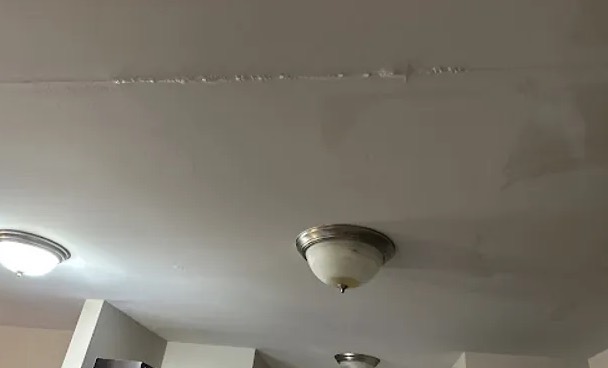
Water from a roof leak or condensation overflow soaks the insulation first. Once the insulation is saturated, water pools on the ceiling drywall, eventually causing stains, sagging, or collapse.
How long does the attic drying process take?
Drying time varies with the extent of water intrusion, humidity levels, and attic ventilation. Typically, it takes between two to five days of continuous equipment operation to achieve dry standards.
Why choose professional attic leak repair with insulation removal?
Professionals address the full scope: stopping the leak, removing ruined materials, drying the structure, and preventing mold. This integrated approach solves the root cause and the resulting damage.
Can I remove wet insulation myself?
DIY removal is not recommended due to exposure to contaminants, mold spores, and heavy, cumbersome material. Improper handling can also spread moisture and damage to other parts of the attic.
What is involved in wet insulation removal?
The process involves safely extracting water-logged insulation from attic cavities, followed by thorough structural drying using industrial equipment. All removed material is contained and disposed of properly.