Cleveland, TN · Bradley County
Wastewater Cleanup in Cleveland, TNEmergency Sewage Extraction & Black Water Removal
For black water removal, sewage system decontamination, and wastewater odor removal in Cleveland, Wastewater Cleanup provides solutions.
Answered 24/7
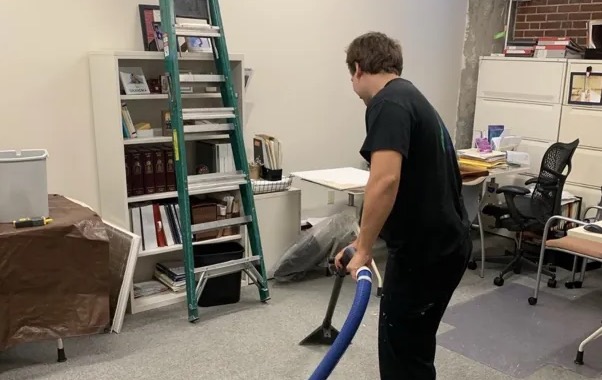
Your Local Solution for Wastewater Cleanup in Cleveland
In Cleveland, timely wastewater cleanup prevents long-term issues like structural weakening and foul smells from sewage. Contaminated water can seep into subfloors and walls. Local water removal pros handle sewage spill cleanup and emergency water extraction around the clock.
For properties in Cleveland, wastewater extraction and sewage spill cleanup are essential services to maintain safety. Sewage cleanup experts handle biohazard cleanup services and emergency sewage extraction for homes in the Cleveland area. They focus on thorough decontamination and drying to prevent secondary issues like mold.
The Wastewater Cleanup Process in Cleveland, TN
Emergency Sewage Extraction
Emergency sewage removal uses high-volume extraction equipment available around the clock. The goal is rapid removal of hazardous water to begin drying and cleaning. It is the first line of defense against severe contamination.
Black Water Removal
Black water removal deals with highly contaminated water, requiring strict safety protocols. The process involves extraction and area sanitation to eliminate pathogens. Specialized equipment ensures no contaminants remain for health safety.
Sewage System Decontamination
This service ensures the plumbing system is clean after a sewage event. Drains and pipes are treated to kill remaining bacteria. Fixtures are thoroughly disinfected inside and out, completing the sanitation.
Sewage Backup Cleanup
Prompt removal of black water limits exposure to harmful bacteria. The cleanup includes disinfecting all contacted surfaces and materials. Specialized equipment extracts sewage and dries the area completely to prevent odors and mold growth.
Contaminated Carpet Removal
This service handles the disposal of carpeting that has absorbed black water or grey water, which is a breeding ground for microbes. The materials are bagged and removed for proper hazardous waste disposal. The underlying floor is prepared for new installation after thorough drying and disinfection.
Recognizing the Need for Wastewater Cleanup in Cleveland
Toilet Bubbles When Showering
If your toilet bubbles or water rises when you run the shower, it suggests improper venting or a line blockage.
Sump Pump Failure With Sewage
If your sump pit begins filling with contaminated water, it indicates a serious crossover with the sewer system.
Slow Draining Throughout the House
Water draining sluggishly from all fixtures is a common warning sign of a developing main sewer line obstruction.
Increased Pest Activity
A sudden rise in insects or rodents can be attracted to the moisture and organic waste from a hidden sewage leak.
How Wastewater Cleanup Works in Cleveland
Step 1: Hazard Evaluation and Water Categorization
The pros first assess the water category and source to determine the exact protocols needed for the sewage damage restoration project.
Step 2: Bulk Water and Sewage Removal
The physical removal of all wastewater begins, utilizing extractors and pumps designed specifically for sewage backup cleanup scenarios.
Step 3: Decontamination and Odor Neutralization
Affected structural elements and contents are decontaminated, and air scrubbers tackle airborne contaminants for complete sewage odor removal.
Step 4: Drying, Dehumidification, and Completion
Professional drying equipment runs until moisture readings confirm a dry state, finalizing the flood damage cleanup and restoration process.
Frequent Sources of Wastewater Cleanup in Cleveland
Municipal Sewer Line Blockages
A blockage in the main public sewer line can push contaminated water back through the lateral line and into your property.
Damaged Pipe Joints
Failed seals between pipe sections allow groundwater and soil to enter, increasing pressure and the risk of a sewage overflow.
Tree Root Intrusion Into Sewer Lines
Invasive tree roots seeking moisture can crack and block sewer pipes, leading to major backups and wastewater damage inside.
Grease and Fat Buildup in Pipes
Pouring cooking grease down drains creates solid blockages that trap solids and cause recurring sewage backup problems over time.
Wastewater Cleanup Services for All Cleveland Properties
Residential Wastewater Cleanup
In homes, wastewater cleanup addresses sewage backups in bathrooms and basements, protecting families from harmful pathogens. The pros use IICRC-standard methods for black water removal and thorough decontamination of living spaces.
Commercial Wastewater Cleanup
For businesses, a sewage spill cleanup halts operations and poses a health risk. Early action from the experts ensures minimal downtime through rapid extraction and biohazard cleanup services for the workspace.
Professional Wastewater Cleanup or DIY in Cleveland?
After professionals extract the water, you can assist by removing undamaged, uncontaminated personal items from the affected zone. Do not touch porous materials like carpet or drywall that contacted sewage. Leave contaminated carpet removal and structural drying to the specialists.
What Influences Wastewater Cleanup Expenses in Cleveland
Labor intensity for wastewater cleanup in Cleveland influences cost. Black water removal requires strict safety protocols, increasing the time and equipment required for the job.
Structural Drying Needs
The time and equipment required for thorough drying of subfloors and wall cavities influence the overall project duration and cost.
Access and Logistics
Difficult access to the source of the backup or multiple affected levels can complicate equipment setup and extraction workflow.
Water Category
Category 3 black water, containing sewage, requires more intensive biohazard cleanup services and decontamination than cleaner water categories, affecting cost.
Does Insurance Cover Wastewater Cleanup?
The pros trained for biohazard situations follow IICRC-standard methods and provide thorough documentation. This evidence is for your insurer to review. Whether biohazard cleanup services are covered is a determination made by your insurance provider.
The Value of Local Pros for Wastewater Cleanup in Cleveland
24/7 Emergency Sewage Extraction
Help is available for sewage spills to begin containing the damage and mitigating health risks at any hour.
Comprehensive Moisture Mapping
Moisture meters and thermal imaging help locate hidden moisture in walls and subfloors after wastewater extraction is complete.
Structural Drying Expertise
Industrial air movers and dehumidifiers are placed strategically to dry building materials and help prevent secondary mold growth.
24/7 Emergency Wastewater Cleanup in Cleveland
Sewage damage worsens rapidly. For professional service to wastewater extraction and containment in Cleveland, call (615) 985-6819. The pros trained for biohazard situations are available around the clock.
Call Now (615) 985-6819Wastewater Cleanup Service Area Including Cleveland
Other places served are listed below, each with its own page.
Wastewater Cleanup FAQs
How is hidden moisture found after sewage extraction?
The specialists use moisture meters, thermal imaging cameras, and probes to detect residual dampness in walls, floors, and subfloors.
What is the goal of wastewater odor removal?
The goal is to eliminate the source of sewage odors through deep cleaning and decontamination, not just temporarily covering the smell with fragrances or sprays.
What happens after the initial wastewater cleanup?
The focus shifts to drying, dehumidification, and monitoring moisture levels. Further repairs or mold remediation services may be recommended based on the assessment.
Are belongings damaged by sewage salvageable?
Non-porous items can often be professionally cleaned and disinfected. Porous materials like upholstered furniture or papers contaminated with sewage usually cannot be saved.
What is involved in sewage backup cleanup?
The process typically includes emergency sewage extraction, removal of contaminated porous materials, thorough cleaning and disinfection of affected surfaces, and structural drying to prevent mold.