Cleveland, TN · Bradley County
Wall Mold Removal in Cleveland, TNBlack Mold Removal & Drywall Mold Removal
Wall Mold Removal experts in Cleveland provide black mold removal, drywall mold removal, and mold prevention treatments.
Answered 24/7
Trusted Wall Mold Removal for Cleveland Residents
Discovering black mold on walls removal needs in Cleveland signals a serious moisture problem that demands expert intervention. DIY methods often spread spores without addressing the root cause.
Addressing how to remove mold from drywall properly is key for properties in the Cleveland area. The pros in Cleveland assess each situation, performing necessary removal and treatment.
The Wall Mold Removal Process in Cleveland
Black Mold Removal
Stachybotrys chartarum, often called black mold, requires careful handling. The pros establish full containment with negative air pressure to prevent toxic spore spread during the removal process, prioritizing safety for your household.
Drywall Mold Removal
When mold penetrates drywall, painting over it or using bleach fails. Professional drywall mold removal requires physically removing the contaminated material. The pros ensure proper containment to protect the home's air quality during the remediation.
Bathroom Wall Mold Cleanup
Bathroom mold stems from poor ventilation and lingering moisture. The cleanup involves using moisture-resistant antimicrobial coatings on surfaces after a thorough cleaning to inhibit future growth, a service commonly needed in Cleveland homes.
Mold Prevention Treatments
Prevention treatments are a final defense. These sealants and coatings are applied to structural wood and clean drywall after remediation, offering long-term protection against future mold growth in the treated areas of your Cleveland residence.
Wall Cavity Mold Remediation
Wall cavity remediation is complex. After identifying the extent of growth, the pros in Cleveland establish containment, clean structural members with HEPA vacuums and wire brushing, and apply sealants to protect the wood from future moisture damage.
Indicators of a Hidden Mold Problem
New or Worsening Allergies
Unexplained respiratory issues, sneezing, or itchy eyes at home can be caused by airborne mold spores from wall growth.
Warped or Soft Drywall
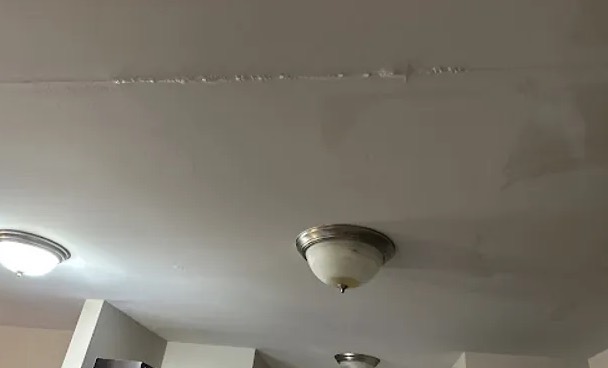
Drywall that feels spongy or appears bulged suggests water damage and potential mold, requiring immediate drywall mold removal.
Discolored Grout or Caulking
Black or pink stains in bathroom tile lines are often mold, signaling a need for bathroom wall mold cleanup.
Past Water Leak History
Any previous leak, even if dried, may have left moisture in wall cavities, leading to later mold issues.
How Wall Mold Removal Works in Cleveland
Step 1: Source Identification and Plan
The specialists diagnose the cause, whether from a leak or humidity. They then create a customized plan for mold on walls removal and containment.
Step 2: Safe Demolition and Removal
Controlled demolition removes mold-damaged drywall and insulation. This step is critical for how to remove mold from drywall properly, ensuring no spores are left behind.
Step 3: Cavity Cleaning and Sanitizing
The exposed wall studs and cavity are HEPA-vacuumed and scrubbed. A broad-spectrum disinfectant is applied to eliminate any remaining mold residues and odors.
Step 4: Air Quality Clearance Testing
Optional post-remediation verification tests the air to confirm spore counts have returned to normal levels, providing confidence that the toxic mold removal was successful.
Common Sources of Wall Mold Growth
Landscaping Grading Issues
Soil sloping toward the foundation directs groundwater against basement or crawlspace walls, promoting moisture and mold growth inside.
Drying Wet Clothes Indoors
Hanging wet laundry inside significantly increases room humidity, which can deposit moisture on walls and encourage mold development.
Faulty or Clogged Gutters
Gutters that overflow can saturate exterior walls, allowing water to seep inside and cause mold on walls removal scenarios.
Ineffective Bathroom Vent Fans
A weak or unused exhaust fan allows steam from showers to permeate walls, requiring bathroom wall mold cleanup later.
Wall Mold Removal for Homes & Businesses in Cleveland
Residential Wall Mold Removal
Homeowners face mold from leaks, high humidity, and poor ventilation. The service involves cavity remediation and mold damaged paint removal to make your living spaces safe and sound again.
Commercial Wall Mold Removal
Commercial properties require early action to prevent business interruption. The process includes mold testing, industrial air scrubbing, and wall cavity mold remediation to meet strict indoor air standards.
Why Professional Mold Remediation Beats DIY
Wiping condensation from windows and walls helps manage moisture. When mold is present, determining how to remove mold from drywall correctly requires specialized equipment and IICRC-standard methods used by pros.
What Influences Wall Mold Removal Cost in TN?
For mold removal from walls in Cleveland, pricing is shaped by the remediation scope. This includes whether drywall removal is needed, if mold spread into the wall cavity, and necessary containment procedures.
Prevention Treatments
Applying antimicrobial coatings or recommending humidity controls after cleanup are additional steps that contribute to the total project cost.
Post-Remediation Verification
A final mold inspection and testing by a third party to confirm successful cleanup is a common project closure step.
Affected Building Materials
Costs differ between mold damaged paint removal, drywall mold removal, and more complex wallpaper mold remediation or treating structural wood.
Does Insurance Cover Wall Mold Removal?
Insurance coverage for wall mold removal depends on the moisture source. Mold from sudden leaks may be covered; long-term humidity often is not. The pros document damage for the claim. The insurer makes the final coverage decision.
Benefits of Hiring Mold Remediation Pros for Wall Mold Removal
Air Quality Verification
The process often includes post-remediation testing or visual clearance to help confirm the indoor air has been properly addressed.
Material Removal Precision
Affected drywall or insulation is carefully removed and bagged on-site to avoid spreading contamination during mold damaged paint removal.
HEPA Filtration Air Scrubbing
Industrial air scrubbers with HEPA filters run continuously to remove airborne mold spores during and after the removal process.
Urgent Wall Mold Removal When You Need It
Urgent bathroom wall mold cleanup or other immediate mold emergencies get 24/7 assistance. Quick action prevents further damage. To schedule an emergency assessment, call the pros at (615) 985-6819 and discuss steps for containment and remediation.
Call Now (615) 985-6819Local Wall Mold Removal Coverage Area
The places below are also served, and each one has its own page.
Your Wall Mold Removal Questions Resolved
What causes mold to grow on interior walls?
The primary cause is excess moisture. This can come from plumbing leaks, roof leaks, high indoor humidity, condensation on cold surfaces, or water intrusion from outside due to faulty seals or drainage.
Can mold behind drywall be cleaned, or must it be removed?
Porous materials like drywall with mold growth typically cannot be effectively cleaned and must be removed and discarded. Only non-porous surfaces like studs can be cleaned and treated during drywall mold removal.
What are mold prevention treatments applied after removal?
These are EPA-registered antimicrobial coatings applied to cleaned, dry surfaces like wall studs and subflooring to inhibit future fungal growth. They are part of a complete strategy that includes moisture control.
What happens during mold damaged paint removal?
Paint blistered or stained by mold moisture must be scraped or sanded off. The underlying surface is then cleaned, treated, and must be completely dry before new primer and paint can be properly applied.
How is bathroom wall mold cleanup different from other rooms?
Bathroom cleanup often focuses on non-porous surfaces like tile, requires addressing high humidity sources like poor ventilation, and may involve mold damaged paint removal or caulking replacement to create a moisture-resistant surface.