Brentwood, TN · Williamson County
Whole-Building Fire & Smoke Odor Removal in Brentwood, TNFire Damaged Material Removal & Electrostatic Soot Removal
Whole-Building Fire & Smoke Odor Removal in Brentwood pairs whole-house air scrubbing, HVAC duct smoke cleaning, and fire damaged material removal.
Answered 24/7
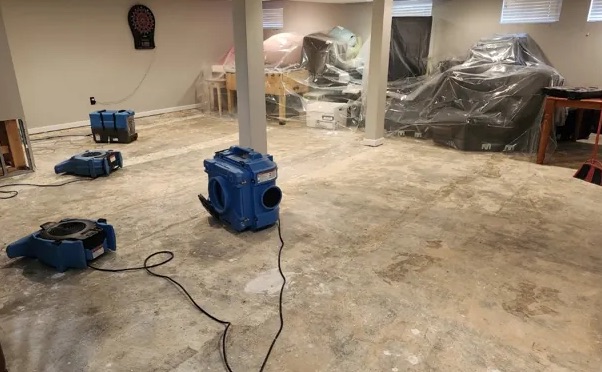
Fire and Smoke Odor Elimination Services in Brentwood
An HVAC system can spread smoke odor through the whole building every time the blower runs. Cleaned rooms can smell again if the ducts are skipped.
For homes in Brentwood and nearby Brentwood Estates, Oak Hill and Forest Hills, treating the air alone is not enough because odor binds to surfaces. Local pros clean, deodorize, and then seal porous materials.
Advanced Fire Odor Removal Techniques
Fire Damaged Material Removal
In Brentwood, damaged flooring and framing are taken out before deodorizing, so treatment is not wasted on materials that will be replaced.
Electrostatic Soot Removal
Electrostatic cleaning lifts fine, dry soot without smearing it, which protects painted walls and woodwork.
HVAC Duct Smoke Cleaning
Pros clean ducts with brushes, vacuums, and cleaning agents, from the main trunks to each register, so soot is not blown back into rooms.
Thermal Fogging Deodorization
The fog travels the same way smoke did, into wood, drywall, and insulation, which makes it useful for greasy kitchen fire odors.
Surface Sealing for Residual Odor
After cleaning, local fire odor removal pros seal framing, subfloors, and concrete with an odor-blocking coating so trace odor stays locked in.
Signs You Need Professional Fire Odor Removal
Smell Emanates From HVAC Vents
A smoky smell coming from vents means the HVAC system is carrying odor from the ducts into every room.
Persistent Smoky Odor in Rooms
A fire smell that stays in several rooms after cleaning means odor has soaked into the building, not just the surfaces.
Discolored or Stained Fabrics
Yellowed or grayed curtains, upholstery, or clothing have absorbed smoke and usually need special cleaning to lose the odor.
Odor Returns After Opening Windows
When airing out the house does not clear the smell, smoke odor has worked its way into walls, floors, or furniture.
How Whole-Building Fire & Smoke Odor Removal Works in Brentwood
Step 1: Source Removal and Cleaning
Burned materials are removed first, and electrostatic cleaning lifts soot from the walls and ceilings that remain.
Step 2: HVAC Duct Smoke Cleaning
The ductwork and air handler are cleaned so the HVAC system stops moving smoky air through the building.
Step 3: Ozone Treatment for Smoke Odor
Ozone generators run in the closed, empty building to break down the odor compounds that remain.
Step 4: Final Air Quality Verification
Pros check the building for any remaining smoke odor before it is reoccupied and the job is closed out.
Common Causes of Persistent Fire Odor
Smoke Penetration Into Porous Materials
Smoke odor soaks deep into drywall, wood, and insulation, which then release the smell for months if left untreated.
Burning of Synthetic Materials
Burning furniture and plastics produce thick, oily smoke that leaves a sticky, strong-smelling residue on every surface.
Contaminated HVAC Ductwork
An HVAC system running during a fire pulls smoky air into the ducts and coats their insides with soot.
Secondary Water Damage
Water used to fight the fire can spread soot into new areas and carry odor into floors and wall cavities.
Comprehensive Odor Solutions for Any Building
Residential Whole-Building Fire & Smoke Odor Removal
In homes, pros combine air scrubbing with ozone treatment suited to household materials, and plan the work so the family can move back in sooner.
Commercial Whole-Building Fire & Smoke Odor Removal
Office buildings often have long, complex duct runs. Pros remove burned materials, clean the ducts zone by zone, and scrub the air on each floor.
When to Call Fire Odor Removal Pros for Smoke Smell
Move badly charred debris outdoors to remove obvious odor sources, and clean fan blades and light fixtures where soot settles. Odor inside insulation, drywall, or wood needs fogging or sealing.
Understanding Whole-Building Fire & Smoke Odor Removal Cost Factors
Price grows with the square footage treated and how severe the fire was. A small kitchen fire costs far less than smoke through a whole building.
Severity of Smoke Penetration
Heavy smoke residue needs more cleaning passes and repeat treatments than light surface soot does.
Deodorization Method Required
Thermal fogging and ozone treatment use different equipment, and some jobs need both methods.
HVAC System Contamination
Cleaning ducts and HVAC parts adds equipment time and access work to the job.
Does Insurance Cover Whole-Building Fire & Smoke Odor Removal?
Coverage depends on your policy language and the cause of the fire. The professionals document the damage with photos and notes for your claim file.
Why Choose Local Pros for Whole-Building Fire & Smoke Odor Removal
HVAC System Decontamination
Ducts are cleaned so the HVAC system does not keep pushing smoke odor through the building after cleanup.
Comprehensive Odor Attack Plan
Air scrubbing, fogging, and sealing together treat both airborne odor and odor held inside materials.
24/7 Emergency Response
Smoke odor sets into materials over time, so starting quickly limits how deep it soaks in.
Urgent Whole-Building Fire & Smoke Odor Removal When You Need It Most
Smoke odor spreads into belongings and building materials fast after a fire. Call (615) 985-6819 at any hour for emergency smoke damage cleanup help.
Call Now (615) 985-6819Areas Served for Whole-Building Fire & Smoke Odor Removal
Other places served are listed below, each with its own page.
- Whole-Building Fire & Smoke Odor Removal in Brentwood Estates
- Whole-Building Fire & Smoke Odor Removal in Oak Hill
- Whole-Building Fire & Smoke Odor Removal in Forest Hills
- Whole-Building Fire & Smoke Odor Removal in Belle Meade
- Whole-Building Fire & Smoke Odor Removal in Thompson's Station
- Whole-Building Fire & Smoke Odor Removal in Nolensville
- Whole-Building Fire & Smoke Odor Removal in Spring Hill
- Whole-Building Fire & Smoke Odor Removal in Fairview
Your Whole-Building Fire & Smoke Odor Removal Questions Addressed
What is the first step in smoke damage cleanup?
Pros assess the damage, then remove burned debris and soot-covered materials so deep cleaning can begin.
How does thermal fogging deodorization work?
A heated deodorant is turned into a fine fog that travels into porous materials and breaks down odor molecules where cleaning cannot reach.
What is whole-building fire and smoke odor removal?
It is a process that removes smoke smell from every part of a structure, using air scrubbing, fogging, and duct cleaning to treat air and materials.
Can fire smells come back after treatment?
They can if treatment is incomplete. Cleaning the ducts and sealing porous surfaces keeps odor from coming back after the work.
What's the difference between cleaning and deodorizing?
Cleaning removes visible soot residue, while deodorizing breaks down the odor molecules left behind. Most fire jobs need both steps.