Madison, TN · Davidson County
Emergency Damage Restoration in Madison, TNMold Remediation Services & Emergency Water Extraction
Emergency Damage Restoration in Madison runs from emergency water extraction and storm damage repair to structural drying services.
Answered 24/7
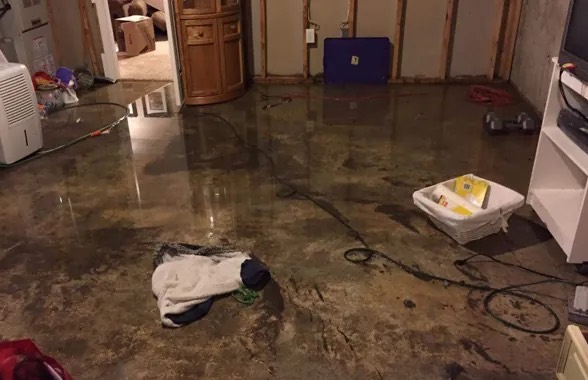
Emergency Damage Restoration Experts Serving Madison, TN
After a storm in Madison, water can come in through the roof, windows, doors and walls at once. The damage may cover several rooms and floors.
A storm in Madison can damage many buildings at once. Local flood restoration professionals serve Madison and nearby Old Hickory, Lakewood and Goodlettsville, with help available around the clock.
Complete Emergency Damage Restoration Services in Madison
Mold Remediation Services
Materials with mold after a leak are removed in a contained area, and the framing is cleaned and dried before rebuilding.
Emergency Water Extraction
When water is spreading, pumps and extractors go in as soon as the source is shut off, pulling water from floors, carpet and low spots first.
Emergency Water Removal
Water from a burst pipe, overflow or appliance failure is removed as soon as possible, day or night, before it spreads to more rooms.
Sewage Backup Cleanup
The likely cause of the backup is noted so a plumber can clear or repair the line and prevent another one.
Flood Damage Cleanup
Flood cleanup treats outside water as contaminated, so floors and lower walls are cleaned and disinfected after removal.
When to Call for Emergency Damage Restoration in Madison
High Indoor Humidity Levels
A home or office that feels humid and clammy after a leak still has wet materials releasing moisture.
Damaged or Saturated Possessions
Wet furniture, rugs, papers and belongings need to be moved out of the water and dried or listed.
Persistent Musty Odors
A musty smell that will not go away often means hidden moisture in walls, floors or the ceiling.
Sewage Backup in Drains or Toilets
Sewage coming up through drains or toilets is a health hazard that needs protective cleanup right away.
How Emergency Damage Restoration Works in Madison
Step 1: Initial Inspection and Documentation
Photos and readings record the damage before cleanup begins, for insurance and planning.
Step 2: Emergency Water Extraction Services
Extraction continues room by room until no standing water remains anywhere in the building.
Step 3: Drying and Monitoring
Readings are logged daily, and equipment is moved as each area dries.
Step 4: Final Sanitization and Odor Removal
Affected areas are cleaned, and lingering odors are traced and treated before handover.
Leading Causes of Emergency Damage in Madison
Appliance Malfunctions and Overflows
Washers, water heaters and dishwashers fail without warning and flood nearby rooms.
Sewer Line Blockages or Failures
Blocked or broken sewer lines push wastewater up into floor drains, tubs and toilets.
Severe Weather and Flooding
Severe storms and flooding push water into buildings through roofs, walls and doors.
Burst or Leaking Pipes
Pipes can crack or burst from age, pressure or cold weather, releasing water quickly.
Emergency Damage Restoration for Residential & Commercial Properties in Madison
Residential Emergency Damage Restoration
Families with young children or pets should stay out of areas with sewage or floodwater until cleanup is finished.
Commercial Emergency Damage Restoration
Property managers with several units or buildings get separate records for each, which keeps claims and repairs organized.
Professional Emergency Damage Restoration or DIY Repair in Madison
Take photos before cleaning anything, and keep damaged items until your adjuster sees them or approves disposal. Then call the professionals for extraction and drying.
Factors Affecting Emergency Damage Restoration Price in Madison
The pros assess the damage before pricing emergency damage restoration in Madison, then explain what will be extracted, removed and dried.
Damage Extent
More rooms and materials affected means more extraction, removal and drying time.
Affected Materials
Carpet, drywall, wood floors and cabinets each take different work to dry or replace.
Duration of Work
Drying often takes several days, and night or holiday calls can cost more than scheduled visits.
Does Insurance Cover Emergency Damage Restoration?
Photos, moisture readings and drying logs from the professionals help support an insurance claim for emergency water damage in Madison.
The Value of Local Pros for Emergency Damage Restoration in Madison
Step by Step
Work follows a set order: stop the water, extract, remove what cannot be saved, dry and confirm.
24/7 Emergency Response
Help is available day or night, because water emergencies cannot wait for business hours.
Drying Equipment
Air movers and dehumidifiers are placed from readings and adjusted every day.
Round-the-Clock Emergency Damage Restoration in Madison
If a ceiling is sagging or water is near outlets, leave the room and shut off power if it is safe. Then call (615) 985-6819 for help in Madison.
Call Now (615) 985-6819Emergency Damage Restoration Coverage Area for Madison, TN
Each place listed below has its own page with local details.
- Emergency Damage Restoration in Old Hickory
- Emergency Damage Restoration in Goodlettsville
- Emergency Damage Restoration in Hendersonville
- Emergency Damage Restoration in Hermitage
- Emergency Damage Restoration in Mount Juliet
- Emergency Damage Restoration in Murfreesboro
- Emergency Damage Restoration in Donelson
- Emergency Damage Restoration in Dickson
Emergency Damage Restoration FAQs
What is the goal of disaster recovery after water damage?
To remove water, dry the structure and leave the property ready for repairs without hidden moisture.
What makes a water damage situation an emergency?
Water that is still spreading, sewage, sagging ceilings, water near electrical systems or flooding in several rooms.
How is hidden moisture found during an inspection?
Moisture meters and thermal cameras show water inside walls, under floors and above ceilings.
When is removal of mold needed after water damage?
When materials stayed wet long enough for mold to appear. Fast drying usually prevents it.
What happens during the structural drying phase?
Air movers and dehumidifiers run continuously, and readings are taken daily until materials are dry.