Lebanon, TN · Wilson County
Contaminated Water Removal in Lebanon, TNGray Water Damage Cleanup & Black Water Extraction
Contaminated Water Removal in Lebanon includes gray water damage cleanup, toxic spill water removal and emergency water mitigation.
Answered 24/7
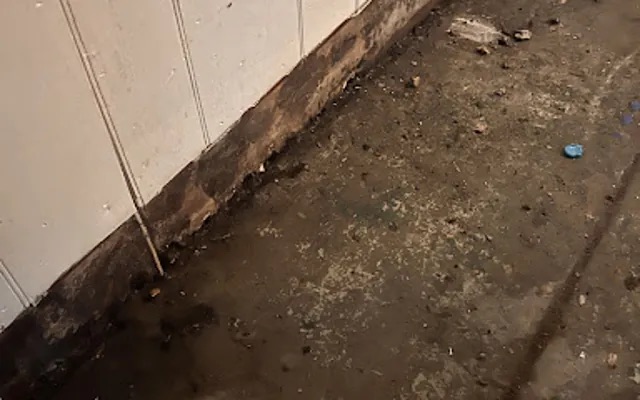
Contaminated Water Removal: Around-the-Clock Help for Lebanon Properties
Outside floodwater in Lebanon picks up soil, fuel, chemicals and sewage on its way into a building. It is always treated as contaminated.
In Lebanon, many contaminated water calls start with a toilet or floor drain backup. Local water extraction experts serve Lebanon, Mount Juliet, Gallatin and Hermitage, cleaning up safely with protective gear.
Detailed Contaminated Water Removal Methods in Lebanon, TN
Gray Water Damage Cleanup
Gray water from washing machines, dishwashers or sink drains is extracted, and the floors and cabinets it reached are cleaned before drying.
Black Water Extraction
Porous materials soaked by black water usually cannot be cleaned safely, so they are bagged and removed before drying.
Sewage Water Cleanup
Sewage water cleanup includes removing soaked materials, disinfecting surfaces and running air scrubbers while work continues.
Emergency Water Mitigation
Fast mitigation keeps contamination from spreading into clean rooms, ductwork and the floor below.
Contaminated Carpet Removal
Contaminated carpet is extracted first to reduce weight and dripping, then removed in sections and disposed of properly.
Indicators You Require Emergency Contaminated Water Removal
Sewage Backup in Home
Sewage coming up through toilets, tubs or floor drains is black water and needs protective cleanup right away.
Foul Odors From Standing Water
Standing water with a foul or sewage smell is contaminated and should not be touched without protection.
Sump Pump Failure and Overflow
A sump pit that overflows can push dirty groundwater and debris across a basement floor.
Visible Sewage in Carpet
Carpet with visible waste, debris or brown staining has absorbed contaminated water and must be removed.
How Contaminated Water Removal Works in Lebanon
Step 1: Emergency Assessment and Containment
Water use is stopped, power is made safe and the area is sealed off with plastic sheeting.
Step 2: Contaminated Water Extraction
Workers in protective gear extract the water and remove solids and debris.
Step 3: Deep Cleaning and Disinfection
Porous materials such as carpet and drywall are removed, and hard surfaces are scrubbed and disinfected.
Step 4: Drying and Moisture Control
Air movers, dehumidifiers and air scrubbers dry the structure, with readings taken daily.
Common Causes of Water Damage in Lebanon
Heavy Rainfall and Flooding
Heavy rain and flooding carry soil, chemicals and sewage into buildings through doors and walls.
Appliance Malfunctions and Leaks
Washers, dishwashers and sink drains leak or back up with soapy, dirty gray water.
Natural Disaster Aftermath
After storms and floods, water carries debris and contaminants from streets and yards.
Sump Pump Overwhelm or Failure
A sump pump that fails or is overwhelmed lets dirty groundwater rise into the basement.
Contaminated Water Removal Across Lebanon Residential and Commercial Sectors
Residential Contaminated Water Removal
Families with young children, older adults or anyone with health concerns should stay out of contaminated areas until cleanup and disinfection are done.
Commercial Contaminated Water Removal
Restaurants and food businesses need contaminated areas cleaned and disinfected to meet health rules before food prep resumes.
Why DIY Contaminated Water Removal Fails in Lebanon Properties
For a small gray water spill on tile caught right away, gloves, a mop and a disinfectant are enough. Call local water extraction experts for sewage, floodwater or any spill that reached carpet or drywall.
Estimating Contaminated Water Removal Expenses in Wilson County
In Lebanon, black water cleanup usually costs more than gray water cleanup, because more materials are removed and every surface is disinfected.
Affected Area Size
Larger contaminated areas need more extraction, more removal of materials, more disinfection and more drying.
Material Removal Needs
Removing and disposing of contaminated carpet, pad and drywall adds labor and fees.
Emergency Service Timing
Night, weekend and holiday calls can cost more than a scheduled weekday visit.
Does Insurance Cover Contaminated Water Removal?
Photos, removal lists, moisture readings and drying logs from the experts help support a contaminated water damage claim in Lebanon.
Selecting Local Pros in Lebanon for Your Contaminated Water Removal
Preventive Mold Strategies
Fast cleanup and drying, plus treatment where needed, limits microbial growth after contaminated water.
Advanced Extraction Equipment
Pumps and extractors remove contaminated water quickly, with less contact and spread.
Containment and Sanitization
The area is sealed off and cleaned so contamination stays out of clean rooms.
Round-the-Clock Emergency Contaminated Water Removal in Wilson County
Sewage or dirty water spreading in Lebanon? Stop running water in the house, keep everyone away and call (615) 985-6819. Help is available 24/7.
Call Now (615) 985-6819Local Contaminated Water Removal Areas Including Lebanon
Other places served are listed below, each with its own page.
- Contaminated Water Removal in Mount Juliet
- Contaminated Water Removal in Gallatin
- Contaminated Water Removal in Hermitage
- Contaminated Water Removal in Hendersonville
- Contaminated Water Removal in Shelbyville
- Contaminated Water Removal in White House
- Contaminated Water Removal in Springfield
- Contaminated Water Removal in Dickson
Common Contaminated Water Removal Questions Answered
Why is professional contaminated water cleanup important?
It needs protective gear, containment and disinfection to keep contamination from spreading through the house.
Can microbial growth be avoided after contaminated water damage?
Usually, if contaminated materials are removed and the structure is dried quickly after cleaning.
When is sewage water cleanup required?
Whenever water carries sewage or other waste, including toilet overflows with waste and sewer backups.
What equipment is used for contaminated water removal?
Pumps and extractors, protective gear, disinfectants and air scrubbers, plus dehumidifiers, air movers and moisture meters for drying.
What happens during the drying phase after cleanup?
Air movers and dehumidifiers dry the cleaned structure, and readings are taken daily until it is normal.