Thompson's Station, TN · Williamson County
Ceiling Water Damage Restoration in Thompson's Station, TNCeiling Leak Water Cleanup & Wet Ceiling Drywall Removal
Ceiling Water Damage Restoration in Thompson's Station handles ceiling leak water cleanup, wet ceiling drywall removal, and ceiling mold prevention.
Answered 24/7
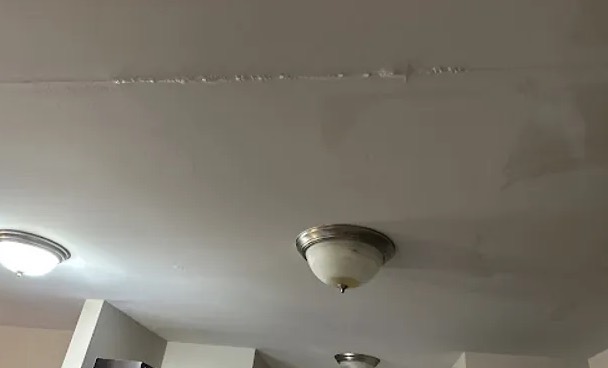
Ceiling Water Damage Restoration Specialists Serving Thompson's Station
Untreated ceiling water damage in Thompson's Station can lead to extensive mold cleanup needs as spores spread into HVAC systems.
Ceiling water damage restoration for the Thompson's Station area focuses on halting water intrusion and initiating rapid drying. Local water removal pros handle roof leak ceiling water removal and ceiling leak water cleanup, serving this community and nearby locations like Spring Hill, Westhaven and Franklin.
Detailed Ceiling Water Damage Restoration Process in Thompson's Station
Ceiling Leak Water Cleanup
Ceiling leak cleanup involves extracting water from both the visible surface and the hidden spaces above. Moisture meters map the damp areas.
Wet Ceiling Drywall Removal
Wet drywall in a ceiling can sag and eventually collapse. Careful cutting keeps dust down and leaves a clean edge for repair.
Emergency Ceiling Water Extraction
The experts are available 24/7 in Thompson's Station to remove water using powerful truck-mounted or portable extractors. This fast action limits damage to your home's structure and finishes.
Ceiling Mold Prevention
To prevent mold on a water-damaged ceiling, every trace of moisture must be removed. Humidity and material moisture are brought back to normal.
Ceiling Water Stain Removal
Water stains on ceilings remain after a leak dries. The pros in Thompson's Station apply specialized cleaners to remove these marks, typically during final repairs after drying is complete.
Ceiling Water Damage Indicators
Persistent Dripping Sounds
Hearing constant dripping from above often means an active leak. Emergency ceiling water extraction can stop further ceiling water damage.
Visible Mold Patches
Black or green spots on the ceiling indicate active mold. Ceiling mold prevention strategies should follow professional mold remediation.
Water Stains on Ceiling
Brown or yellowish water stains on your ceiling signal moisture intrusion. Treating stains early prevents bigger damage.
Musty Odors in Room
A persistent musty smell suggests hidden moisture and potential mold growth on ceiling. A moisture detection ceiling inspection can locate the source.
How Ceiling Water Damage Restoration Works in Thompson's Station
Step 1: Leak Source Identification and Containment
The pros first work to stop the active leak, whether from plumbing or roof.
Step 2: Wet Material Removal and Extraction
Soggy, compromised ceiling drywall and insulation are safely removed. Powerful extraction equipment pulls out any remaining standing water from the cavity above.
Step 3: Structural Drying and Monitoring
High-velocity air movers and commercial dehumidifiers dry the joists and remaining materials. Moisture levels are monitored daily until they meet dry standard criteria.
Step 4: Final Cleaning and Stain Treatment
The area is cleaned of debris and any remaining residues. Ceiling water stain removal techniques are applied to prepare surfaces for reconstruction.
Ceiling Water Damage: Frequent Causes
Foundation or Wall Cracks
Water entering through foundation cracks can wick up through walls and, over time, reach lower ceilings and drywall.
Bathroom Vent Fan Exhaust
A bathroom fan that vents into the attic, not outside, deposits moist air. This promotes mold growth on ceiling materials and framing over time.
Poor Attic Ventilation
Inadequate attic ventilation traps heat and moisture against the roof deck. This condensation can drip onto insulation and ceiling drywall below.
Overflowing Bathtubs or Sinks
An accidental overflow from a second-floor bathroom can be a major incident. It needs extraction and drying.
Both Residential & Commercial Ceiling Water Damage Restoration
Residential Ceiling Water Damage Restoration
The pros in Thompson's Station coordinate drying, removal of damaged materials, and reconstruction. Their detailed moisture inspection report helps provide information to the insurer.
Commercial Ceiling Water Damage Restoration
The experts implement containment strategies to limit the spread, performing ceiling water damage repair with minimal disruption to other tenants. They provide clear documentation to assist with liability determinations.
Professional Ceiling Water Damage Restoration or a DIY Fix?
After a storm, homeowners can visually inspect an attic for obvious water entry like wet insulation or drips. Taking photos helps with documentation. Determining the full moisture extent behind walls and in ceiling cavities requires professional moisture detection tools.
Understanding Ceiling Water Damage Restoration Cost in Thompson's Station, TN
Local water damage restoration pricing around Thompson's Station considers the urgency of the response and the duration of equipment rental for the ceiling drying process. Contamination level from clean, gray, or black water sources is a key variable.
Emergency Service Timing
Emergency ceiling water extraction calls outside standard business hours may involve premium rates for after-hours work to halt worsening damage.
Mold Prevention Needs
If moisture detection ceiling inspection finds elevated humidity, antimicrobial treatments and added drying for ceiling mold prevention become necessary cost components.
Equipment Requirements
The number of air movers, dehumidifiers, and moisture meters needed for ceiling drying services scales with the size and severity of the leak.
Does Insurance Cover Ceiling Water Damage Restoration?
Whether ceiling water stain removal and repainting are covered can vary by policy and the extent of necessary repair. The pros itemize all actions taken, from extraction to final restoration. You must submit this documentation to your insurance company for their evaluation.
Why Choose Local Pros for Ceiling Water Damage Restoration in Thompson's Station
Industry-Standard Drying Methods
Drying prevents hidden moisture and mold in the ceiling cavity and attic.
Thorough Water Extraction
Powerful truck-mounted or portable extractors remove bulk water from ceilings and insulation quickly, a critical first step in all water mitigation services.
Stain Removal Expertise
Stain treatments block mineral and tannin marks so they do not bleed through new paint.
Urgent Ceiling Water Damage Restoration When You Need It
A ceiling leak can bring down drywall and soak the room below. Call (615) 985-6819 at any hour for wet ceiling help in Thompson's Station.
Call Now (615) 985-6819Communities Served for Ceiling Water Damage Restoration
Each place listed below has its own page with local details.
- Ceiling Water Damage Restoration in Spring Hill
- Ceiling Water Damage Restoration in Westhaven
- Ceiling Water Damage Restoration in Franklin
- Ceiling Water Damage Restoration in Columbia
- Ceiling Water Damage Restoration in Nolensville
- Ceiling Water Damage Restoration in Brentwood Estates
- Ceiling Water Damage Restoration in Brentwood
- Ceiling Water Damage Restoration in Forest Hills
Ceiling Water Damage Restoration FAQs for Thompson's Station Homeowners
What tools are used for moisture detection ceiling assessment?
Non-invasive moisture meters measure moisture content in materials, while thermal imaging cameras visualize temperature differences that indicate hidden damp areas behind walls or above.
Why is emergency water extraction important for a ceiling leak?
Rapid removal limits water weight that can cause drywall to sag or collapse, reduces absorption into insulation and framing, and shortens the overall ceiling drying services timeline.
What is included in professional ceiling drying services?
Services include setting up high-velocity air movers to evaporate moisture, dehumidifiers to remove water vapor from the air, and continuous monitoring with meters until materials reach dry standards.
Can ceiling water damage lead to structural problems?
Prolonged wetness can weaken wooden ceiling joists and rafters, potentially leading to sagging or compromised integrity. Proper drying of these structural elements is a key part of restoration.
How is ceiling leak water removal different from floor water removal?
Overhead work requires special equipment for extraction and drying, often involves attic access, and carries the added risk of material collapse, demanding careful safety protocols.