Lakewood, TN · Davidson County
Black Mold Removal from Water Damage in Lakewood, TNBlack Mold Air Filtration & Mold Spore Treatment
Black Mold Removal from Water Damage in Lakewood requires black mold inspection, water damage source containment, and contaminated material removal.
Answered 24/7
Your Lakewood Black Mold Removal from Water Damage Resource
The need for water damage mold remediation arises from persistent moisture in the Lakewood area. Black mold removal services halt spore proliferation. Local specialists execute HEPA vacuuming and structural drying.
Residents in Lakewood, Old Hickory, Hermitage and Hendersonville benefit from professional water damage restoration. Local water damage remediation experts follow a detailed mold remediation process. Early action helps prevent mold after water damage.
The Black Mold Removal from Water Damage Process in Lakewood, TN
Black Mold Air Filtration
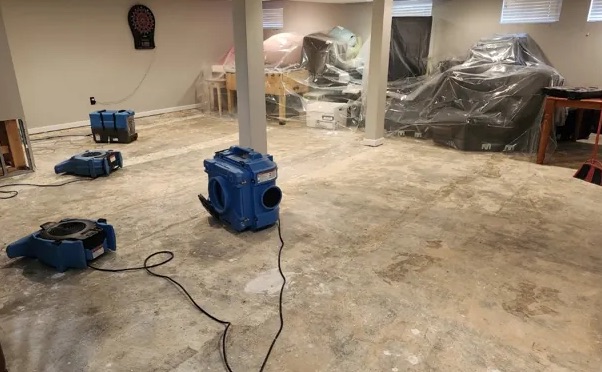
HEPA air scrubbers run continuously to remove mold spores from indoor air. This advanced filtration is standard for protecting a space during removal work.
Mold Spore Treatment
The application of antimicrobial products helps sanitize the affected area after contaminated materials are removed. Local restoration pros use this IICRC-standard method to support a clean, dry environment post-remediation.
Black Mold Inspection
A black mold inspection in Lakewood identifies moisture sources and visible growth. Specialized tools detect hidden mold, guiding the remediation plan.
Post-Remediation Verification Testing
Final clearance testing involves collecting air and surface samples after the job is complete. The results are compared to outdoor baselines to verify successful remediation.
Contaminated Material Removal
Mold-laden drywall, insulation, and carpet are methodically removed. The process follows strict containment protocols to prevent spore dispersal during transport from the home.
Indicators of a Black Mold Removal from Water Damage Problem
Warped or Buckling Flooring
Wood floors or laminate that warps often has moisture underneath. This hidden moisture requires professional mold cleanup services for proper remediation.
Past Incomplete Water Cleanup
If previous water damage wasn't fully dried, black mold can develop. This necessitates emergency mold removal to stop further contamination.
Condensation on Windows
Excessive condensation creates the damp environment black mold thrives in. This is a key factor in mold after water damage situations.
Peeling Paint or Wallpaper
Bubbling or peeling surfaces often conceal moisture and black mold growth underneath. This is a common sign in water-damaged walls.
How Black Mold Removal from Water Damage Works in Lakewood
Step 1: Emergency Water Extraction
The immediate priority is removing all standing water to stop further damage. This water extraction and mold removal step uses powerful pumps and vacuums to dry the area fast.
Step 2: Mold Assessment and Containment Setup
The experts in Lakewood perform a detailed black mold inspection to map contaminated zones. They establish containment with negative air pressure to isolate the area for mold cleanup services.
Step 3: Material Removal and Deep Cleaning
Irreversibly damaged materials are removed and disposed of following safety protocols. HEPA vacuuming and detailed cleaning of all surfaces follows to capture lingering spores.
Step 4: Application and Verification Testing
Antimicrobial solutions are applied to treat remaining mold. Post-remediation verification testing then confirms the air and surfaces are clean, completing the restoration process.
Common Causes of Water Damage in Lakewood
Appliance Malfunctions and Overflows
Water heaters, washing machines, or dishwashers can leak or rupture. The standing water promotes rapid mold growth on nearby materials.
Burst or Leaking Pipes
Plumbing failures inside walls or under sinks release significant water. This requires both water extraction and mold removal to fully resolve.
Poor Ventilation in Bathrooms
Inadequate exhaust fans let steam soak into walls and ceilings. The consistent dampness leads to mold after water damage from daily use.
Roof Leaks from Storms
Wind-driven rain or damaged shingles allow water into attics and walls. This hidden moisture creates ideal conditions for black mold growth over time.
Residential and Commercial Black Mold Removal from Water Damage in Lakewood
Residential Black Mold Removal from Water Damage
When water damage leads to black mold, it compromises a house's integrity. The pros execute structural drying to save materials and prevent costly repairs.
Commercial Black Mold Removal from Water Damage
The experts manage mold cleanup for commercial properties to help prevent liability. They handle large-scale water extraction and removal projects using industrial equipment.
Why Black Mold Removal from Water Damage Often Requires Local Experts
Improving ventilation with exhaust fans can reduce humidity. For active black mold or major water damage, DIY efforts often spread spores. Local specialists use HEPA filtration and containment.
What Influences Black Mold Removal from Water Damage Expenses
Financial considerations for mold removal after a leak in Lakewood start with inspection. Equipment for structural drying and antimicrobial application skill affect the price.
Access and Location
Difficult-to-reach areas like crawlspaces or tight attics increase labor time and complexity for the pros, raising the project's cost estimate.
Affected Materials
Porous materials like drywall and insulation often require removal, while non-porous surfaces may only need cleaning, making material type a key cost variable in mold removal.
Post-Remediation Verification
Independent clearance testing via post-remediation verification to confirm successful mold removal is a definitive, non-negotiable final step with its own associated fee.
Does Insurance Cover Black Mold Removal from Water Damage?
Insurance for mold removal after water damage depends on a policy's 'cause of loss'. Experts focus on source containment and remediation, providing a detailed report for the claim.
Benefits of Local Experts for Black Mold Removal from Water Damage
Clear Post-Remediation Verification
Independent testing after cleanup provides objective confirmation that the mold removal is complete and the area is safe.
IICRC-Standard Remediation Methods
The process follows established industry protocols for safety and effectiveness, from inspection to post-remediation verification, ensuring a thorough job.
Source Identification and Containment
The first step is locating and stopping the water source to prevent ongoing damage that fuels mold growth.
Urgent Black Mold Removal from Water Damage Available Around the Clock
Attempting to handle significant black mold personally is not advised. For professional emergency mold removal in Lakewood, call (615) 985-6819 any time. The specialists begin containment.
Call Now (615) 985-6819Black Mold Removal from Water Damage Availability in the Lakewood Region
The places below are also served, and each one has its own page.
- Black Mold Removal from Water Damage in Unionville
- Black Mold Removal from Water Damage in Bon Aqua Junction
- Black Mold Removal from Water Damage in Chapel Hill
- Black Mold Removal from Water Damage in Columbia
- Black Mold Removal from Water Damage in White Bluff
- Black Mold Removal from Water Damage in Smyrna
- Black Mold Removal from Water Damage in Kingston Springs
- Black Mold Removal from Water Damage in La Vergne
Black Mold Removal from Water Damage FAQs
Why is containment important during toxic mold removal?
Containment uses physical barriers and negative air pressure with HEPA filtration. This prevents mold spores from spreading to unaffected areas during the contaminated material removal and cleaning process.
What is involved in the black mold removal process?
The process begins with inspection and testing, followed by source containment, contaminated material removal, HEPA cleaning, antimicrobial treatment, structural drying, and final verification testing to ensure complete remediation.
How quickly should I address mold after water damage?
Mold can grow within 24-48 hours in damp conditions. Immediate water extraction and professional drying are crucial. This prevents or minimizes mold growth and extensive remediation.
What is the goal of water damage mold remediation?
The goal is to return the property to a safe, dry, 'pre-loss condition.' This systematic process addresses both visible mold and the hidden moisture causing it.
What happens during structural drying and dehumidification?
Industrial air movers and dehumidifiers evaporate moisture from materials and capture it from the air. This drying prevents further microbial growth.