Franklin, TN · Williamson County
Black Mold Remediation in Franklin, TNAntimicrobial Treatment For Mold Remediation & Mold Containment Procedures
Proper black mold remediation in Franklin demands mold containment procedures, post remediation verification, and moisture source correction.
Answered 24/7
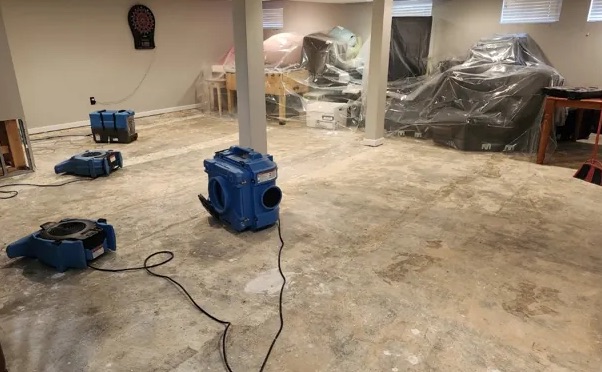
Professional Black Mold Remediation in Franklin, TN
Black mold remediation and removal matters in Franklin because toxic mold spores can affect indoor air quality and structural integrity. Unchecked moisture leads to mold inside walls that keeps coming back.
Local mold damage pros in Franklin implement mold containment procedures and antimicrobial treatment for mold remediation to combat persistent growth. Their process includes air quality testing and moisture source correction, serving properties in Franklin and nearby communities like Westhaven, Brentwood Estates and Thompson's Station.
Black Mold Remediation Methods Used in Franklin
Antimicrobial Treatment for Mold Remediation
Antimicrobial application is a common follow-up treatment in the mold remediation process. It is used on the structural surfaces that remain after contaminated materials have been taken out.
Mold Containment Procedures
The zone is sealed with plastic sheeting and a decontamination chamber. These measures are taken to control the environment and prevent cross-contamination.
Moisture Control Consultation
The pros in Franklin can perform a visual assessment and use moisture meters to identify the source and extent of the contamination in Franklin.
HEPA Vacuuming for Mold Spores
HEPA vacuuming captures loose spores left on surfaces before the final cleaning in mold remediation.
Mold-Contaminated Material Removal
Moldy material removal involves the safe disposal of items that cannot be adequately cleaned. Non-porous surfaces may be salvageable through intensive cleaning, but porous materials usually require replacement.
Signs That Require Black Mold Remediation
Mold Recurrence After Cleaning
If mold returns quickly after you clean it, the moisture source was never fixed.
Warped or Stained Drywall
Discoloration, bulging, or softening of drywall or ceiling materials points to moisture damage and likely mold contamination.
Peeling Paint or Wallpaper
Paint bubbling or wallpaper peeling away from the wall is often caused by moisture trapped underneath, which fuels mold growth.
Condensation on Windows
Excessive condensation on windows or cold surfaces signals high indoor humidity, a primary factor for black mold in walls.
How Black Mold Remediation Works in Franklin
Step 1: Source Identification and Assessment
The pros find the moisture source and test the air for spore counts.
Step 2: Setting Up Critical Containment
To protect unaffected areas, pros implement strict mold containment procedures, which often includes air scrubber installation for mold remediation to clean the air.
Step 3: Toxic Mold Removal Process
Ruined materials are removed carefully. All surfaces are then cleaned with HEPA vacuums and treated with antimicrobial solutions.
Step 4: Final Clearance and Prevention
A post-remediation check, often with air testing, confirms the cleanup worked. Pros also advise on long-term mold prevention strategies, focusing on controlling indoor humidity and moisture.
Typical Sources Requiring Black Mold Remediation
Condensation on Cold Surfaces
Warm, moist air contacting cold pipes, windows, or exterior walls causes condensation, which soaks into materials and feeds mold growth.
Poor Bathroom Ventilation
Inadequate exhaust fans allow steam from showers to saturate walls and ceilings, creating a perfect habitat for black mold growth.
Foundation Cracks and Seepage
Water seepage through cracks in the foundation or slab introduces ground moisture, a common cause of mold in basement and crawl spaces.
Flooding From Storms or Appliances
Major water intrusion from storms or appliance failures soaks building materials. Prompt water extraction and drying help keep mold from starting.
Black Mold Remediation Services for All Properties in Franklin
Residential Black Mold Remediation
Bathrooms and kitchens are high-risk residential areas for mold due to steam and leaks. The mold remediation process here focuses on moisture source correction and antimicrobial treatment to prevent regrowth.
Commercial Black Mold Remediation
Restaurants and fitness centers face unique mold risks from constant humidity and water use. Specialists in mold damage restoration address these environments with aggressive drying and material removal protocols.
Black Mold Remediation Professionals vs. DIY Attempts in Franklin
Using a dehumidifier in damp basements or crawlspaces can assist with mold prevention by controlling moisture levels. If you smell a persistent musty odor or experience health symptoms, stop DIY efforts and schedule an assessment with the specialists.
Factors in Black Mold Remediation Pricing for Franklin
Post remediation verification testing, which includes air quality testing to confirm successful mold cleanup and acceptable spore levels, adds to the total project investment for mold damage restoration.
Antimicrobial Application
Treating all affected surfaces and cavity spaces with EPA-registered biocides after mold removal is a standard material expense.
Containment Complexity
Sealing off the work area with barriers to prevent spore spread during mold removal increases setup time and material needs.
Moisture Source Correction
Identifying and repairing the root cause, like a leaky pipe or poor ventilation, adds plumbing or carpentry service costs.
Does Insurance Cover Black Mold Remediation?
Insurance coverage for mold damage restoration often depends on the source of the water. Mold from a sudden, accidental discharge may be covered, while mold from long-term humidity or neglect typically is not. Confirm your policy's mold endorsement with your insurance provider before remediation begins.
The Value of Local Mold Damage Pros for Black Mold Remediation
Post Remediation Verification Testing
Final air and surface sampling provides objective confirmation that the mold abatement process achieved clearance standards.
Safe Contaminated Material Removal
Mold-damaged drywall and insulation are bagged and sealed on-site for safe disposal, following local regulatory guidelines.
HEPA Filtration & Air Scrubbing
High-efficiency particulate air filtration captures airborne mold spores during work, protecting your home's air quality during the cleanup.
24/7 Emergency Black Mold Remediation in Franklin
Discover suspicious black mold growth? Spores can spread quickly. For immediate assessment and containment by the pros, call (615) 985-6819 for 24/7 emergency service in Franklin.
Call Now (615) 985-6819Black Mold Remediation Coverage in and Around Franklin
The pros provide critical black mold inspection and removal for residences in Franklin, plus adjacent towns including Westhaven, Brentwood Estates and Thompson's Station.
Common Black Mold Remediation Questions Answered
Why is mold inspection a critical first step?
Inspection with moisture meters and thermal imaging finds the full extent of damage, including hidden mold, which is necessary for an accurate remediation plan.
Can black mold in walls be completely removed?
Yes, by removing mold-infested drywall or sheathing, cleaning and treating the remaining framing with antimicrobials, and correcting the moisture source to prevent recurrence.
Can mold return after professional remediation?
Mold can return if the original moisture source is not correctly identified and fixed. Lasting mold prevention relies on eliminating the water problem.
What equipment is used for mold damage restoration?
Pros use containment barriers and negative air machines, HEPA vacuums and air scrubbers, personal protective equipment, tools for controlled demolition, moisture meters for detection, and antimicrobial spraying equipment.
What is the difference between mold removal and abatement?
In the restoration industry, the terms are often used interchangeably. Both generally describe the professional process of eliminating mold contamination and returning indoor spore levels to a normal, safe range.