Chapel Hill, TN · Marshall County
Attic Water Damage Restoration in Chapel Hill, TNRoof Leak Water Removal & Attic Drying Services
Attic Water Damage Restoration in Chapel Hill runs from roof leak water removal and attic leak water cleanup to attic drying services.
Answered 24/7
Expert Attic Water Damage Restoration Serving Chapel Hill, TN
Attics hide water well. Insulation absorbs it, wood soaks it up, and nobody goes up there often. In Chapel Hill, the first sign is usually a ceiling stain, a musty smell upstairs or a drip during heavy rain.
A storm leak in Chapel Hill can soak attic insulation in one night. Local restoration specialists serve Chapel Hill and nearby Unionville, Spring Hill and Shelbyville, with help available around the clock.
Comprehensive Attic Water Damage Restoration for Chapel Hill
Roof Leak Water Removal
A tarp can be placed over the damaged roof section to stop more rain from getting in while drying begins below.
Attic Drying Services
Equipment is placed on boards or platforms in the attic so it can run safely without stressing the ceiling drywall.
Attic Mold Prevention
Poor ventilation keeps attics damp. Blocked soffit vents or a disconnected bath fan duct are pointed out so moisture does not return.
Ceiling Water Damage Cleanup
Small ceiling stains can often be dried in place and sealed. Sagging, soft or crumbling drywall is replaced.
Attic Moisture Inspection
Readings are recorded before and during drying, giving you and your insurer a clear record of the attic damage.
Do You Need Attic Water Damage Restoration in Chapel Hill?
Crumbling Drywall Tape
Ceiling drywall tape that bubbles, cracks or peels usually means water is soaking the seams.
Visible Mold in Attic
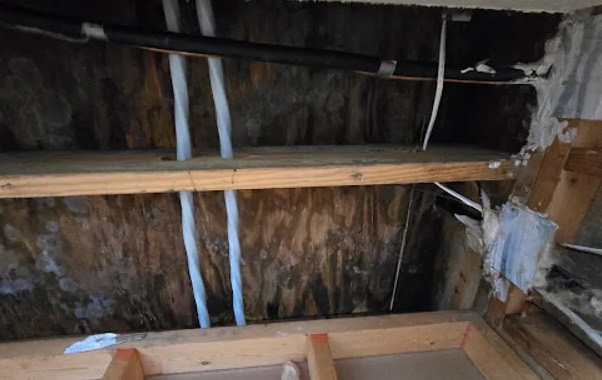
Dark spots on roof decking or rafters mean the wood has stayed damp for some time.
Wet or Sagging Insulation
Insulation that looks matted, dark or compressed, or sags between joists, has absorbed water.
Increased Humidity Upstairs
Upstairs rooms that feel clammy even with the AC on may have moisture coming from the attic.
How Attic Water Damage Restoration Works in Chapel Hill
Step 1: Source Stop and Water Extraction
A tarp is placed over roof damage or the pipe is shut off, and water in the attic is removed.
Step 2: Removal of Damaged Materials
Ruined insulation and sagging ceiling drywall are removed to stop further damage and open the area to air.
Step 3: Attic Drying
Dehumidifiers and air movers run until wood framing and decking return to normal moisture levels.
Step 4: Cleaning and Odor Removal
Debris is cleared, dust is cleaned from the room below, and musty odors are addressed.
Frequent Origins of Attic Flooding
Clogged or Damaged Gutters
Clogged gutters overflow at the roof edge, pushing water under shingles and into the soffits.
Failing Roof Valley or Flashing
Worn flashing around valleys, chimneys and skylights lets water run into the attic.
Roof Leaks and Damaged Shingles
Missing, cracked or lifted shingles let rain reach the roof deck and drip into the attic.
Storm Damage From Wind or Hail
Wind and hail can tear shingles or puncture the roof, letting rain in during the storm.
Both Residential & Commercial Attic Water Damage Restoration
Residential Attic Water Damage Restoration
In two-story homes, an attic leak can affect both upstairs ceilings and the walls below them. Each wet area is checked with a meter and dried.
Commercial Attic Water Damage Restoration
Flat-roof commercial buildings often have leaks that travel before dripping. The pros trace the water path to find every wet section above the ceiling.
Why DIY Attic Water Damage Restoration Often Fails in Chapel Hill
You can check the attic with a flashlight for wet insulation and dripping water if it is safe to do so. Removing soaked insulation and drying the framing takes equipment, protection and safe footing.
What Influences Attic Water Damage Restoration Expenses?
An attic leak caught after the first storm costs less to fix in Chapel Hill than one that soaked insulation and decking for a whole season.
Extent of Water Intrusion
A small leak at one spot costs less to dry than water spread across the attic and the rooms below.
Type of Water Involved
Clean rainwater is simpler to handle than water from a drain or a contaminated source.
Duration Before Response
A leak found right away costs less to fix than one that soaked the attic for weeks.
Does Insurance Cover Attic Water Damage Restoration?
Insurers often ask what caused the leak and how long it ran. Notes on the leak point and the condition of the roof help answer those questions.
Advantages of Hiring Local Pros for Attic Water Damage Restoration
Full Attic Assessment
The whole attic is checked, from the roof deck to the ceiling below, not just the leak spot.
Wet Insulation Handling
Wet insulation is bagged and removed carefully, keeping debris out of the living space.
Roof Leak Location
The leak point is marked and photographed so the roofer can fix the right spot.
Round-the-Clock Attic Water Damage Restoration in Chapel Hill
Water dripping from your ceiling in Chapel Hill? Put a bucket under it, move belongings and call (615) 985-6819. Help for attic leaks is available 24/7.
Call Now (615) 985-6819Local Attic Water Damage Restoration Coverage Area
Each place listed below has its own page with local details.
- Attic Water Damage Restoration in Unionville
- Attic Water Damage Restoration in Spring Hill
- Attic Water Damage Restoration in Shelbyville
- Attic Water Damage Restoration in Thompson's Station
- Attic Water Damage Restoration in Columbia
- Attic Water Damage Restoration in Hermitage
- Attic Water Damage Restoration in White Bluff
- Attic Water Damage Restoration in Madison
Your Attic Water Damage Restoration Questions Resolved
What equipment is used for attic water removal?
Wet vacs, air movers, dehumidifiers, moisture meters and thermal cameras, plus bags and HEPA vacuums for insulation removal.
How do I know the attic is completely dry?
Moisture readings on decking, rafters and the ceiling are compared to unaffected dry areas until they match.
Does a roof leak always cause attic mold growth?
No. Mold is more likely when wood and insulation stay wet for days, so drying is the main way to prevent it.
What causes attic leaks besides storms?
Worn flashing, clogged gutters, attic AC overflows, plumbing leaks and bathroom fans venting into the attic.
What is structural drying for an attic?
Drying the rafters, joists and roof decking with directed airflow and dehumidifiers until moisture readings return to normal.