Shelbyville, TN · Bedford County
Wall Mold Removal in Shelbyville, TNWall Cavity Mold Remediation & Drywall Mold Removal
Comprehensive Wall Mold Removal in Shelbyville involves drywall mold removal, black mold removal, and mold prevention treatments.
Answered 24/7
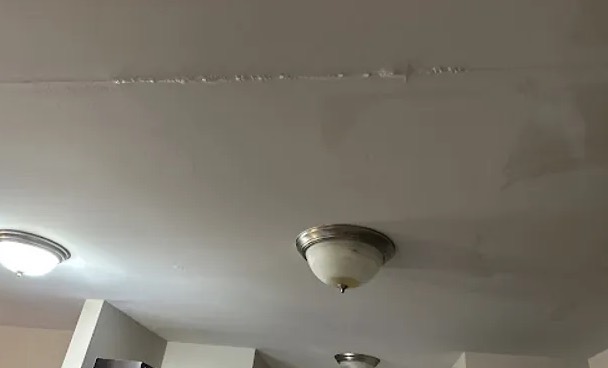
Your Local Solution for Wall Mold Removal
Discovering black mold on walls removal needs in Shelbyville signals a serious moisture problem that demands expert intervention. DIY methods often spread spores without addressing the root cause.
In Shelbyville, professional mold on walls removal prevents long-term structural issues. Local mold remediation pros consider wall mold removal cost factors, prioritizing efficient remediation to minimize future repairs. This also serves nearby areas like Unionville, Tullahoma and Chapel Hill.
Methods for Wall Mold Removal
Wall Cavity Mold Remediation
Hidden moisture behind walls fosters mold colonies in cavities. Remediation involves drilling access holes, using tools to apply antimicrobial agents deep inside, and ensuring the space is completely dry to prevent recurrence.
Drywall Mold Removal
When mold penetrates drywall, painting over it or using bleach fails. Professional drywall mold removal requires physically removing the contaminated material. The pros ensure proper containment to protect the home's air quality during the remediation.
Black Mold Removal
Stachybotrys chartarum, often called black mold, requires careful handling. The pros establish full containment with negative air pressure to prevent toxic spore spread during the removal process, prioritizing safety for your household.
Mold Prevention Treatments
Effective mold prevention goes beyond cleaning. The pros use mold-resistant primers and paints on vulnerable surfaces and may recommend humidity control strategies tailored to your home's specific needs to address the underlying cause.
Mold Damaged Paint Removal
Mold can grow on and behind painted surfaces. Removing mold-damaged paint involves scraping, sanding with HEPA-filtered equipment, and applying a mold-killing primer before repainting. This ensures the new paint adheres to a clean, stable surface.
Signs of Mold Growth on Your Walls
High Indoor Humidity Readings
Consistently high humidity levels above 60 percent promote mold growth on walls and require professional mold spore air scrubbing.
New or Worsening Allergies
Unexplained respiratory issues, sneezing, or itchy eyes at home can be caused by airborne mold spores from wall growth.
Warped or Soft Drywall
Drywall that feels spongy or appears bulged suggests water damage and potential mold, requiring immediate drywall mold removal.
Visible Mold in Corners
Mold thrives in dark, stagnant corners, especially behind furniture. This localized growth needs targeted wall mold removal.
How Wall Mold Removal Works in Shelbyville
Step 1: Mold Inspection and Testing
The pros begin with a detailed inspection, using moisture meters and sometimes air testing to identify all mold sources and the extent of contamination.
Step 2: Containment and Air Scrubbing
To prevent cross-contamination, the area is sealed with plastic barriers. HEPA air scrubbers run continuously to capture airborne mold spores during the wall mold removal.
Step 3: Drywall Mold Removal Process
Affected drywall is carefully removed and bagged for disposal. Wall cavities are cleaned and treated with antimicrobial solutions to address the root colony.
Step 4: Final Cleaning and Verification
All surfaces receive a HEPA vacuuming and detailed cleaning. A final visual inspection ensures the mold remediation process is complete and the area is ready for repair.
Moisture Sources That Lead to Wall Mold
Condensation From Poor Insulation
Warm, moist air contacting cold exterior walls creates condensation inside, leading to mildew removal from walls being necessary.
Roof or Plumbing Leaks
Slow, hidden leaks from pipes or a compromised roof introduce moisture into wall cavities, a primary cause of wall mold.
Chronic High Indoor Humidity
Poor ventilation from showers or cooking raises humidity, allowing mold spores to settle and grow on cooler wall surfaces.
Faulty or Clogged Gutters
Gutters that overflow can saturate exterior walls, allowing water to seep inside and cause mold on walls removal scenarios.
Wall Mold Removal for All Property Types
Residential Wall Mold Removal
Homeowners face mold from leaks, high humidity, and poor ventilation. The service involves cavity remediation and mold damaged paint removal to make your living spaces safe and sound again.
Commercial Wall Mold Removal
Commercial properties require early action to prevent business interruption. The process includes mold testing, industrial air scrubbing, and wall cavity mold remediation to meet strict indoor air standards.
Hiring Mold Remediation Pros vs. DIY Mold Removal
Monitoring home humidity with a hygrometer is a useful DIY task. Readings consistently above 60 percent, coupled with musty smells, indicate you should schedule a professional mold inspection and testing.
Investing in Professional Wall Mold Removal
When considering mold on walls removal cost, the pros assess the need for procedures like negative air containment or HEPA air scrubbing. Bathroom wall mold cleanup may be less extensive than whole-room black mold removal.
Prevention Treatments
Applying antimicrobial coatings or recommending humidity controls after cleanup are additional steps that contribute to the total project cost.
Post-Remediation Verification
A final mold inspection and testing by a third party to confirm successful cleanup is a common project closure step.
Accessibility Challenges
Mold in tight wall cavities or behind finished surfaces requires more time and careful demolition for proper access and treatment.
Does Insurance Cover Wall Mold Removal?
Insurance coverage for professional mold remediation is policy-specific. Mold from a covered appliance overflow might be considered. The pros create a damage report for the homeowner to forward. Homeowners should confirm coverage details directly with their insurer.
Why Choose Expert Wall Mold Removal
Air Quality Verification
The process often includes post-remediation testing or visual clearance to help confirm the indoor air has been properly addressed.
HEPA Filtration Air Scrubbing
Industrial air scrubbers with HEPA filters run continuously to remove airborne mold spores during and after the removal process.
Source Identification Focus
Pros don't just clean visible mold; they diagnose and help address the moisture source to prevent future growth on walls.
24/7 Emergency Wall Mold Removal in Shelbyville
Extensive mold growth requires 24/7 support. Call (615) 985-6819 to start the professional mold remediation process. Early action from the pros helps manage the situation, begin documentation, and plan for effective mold spore cleanup.
Call Now (615) 985-6819Areas Served for Wall Mold Removal
Other places served are listed below, each with its own page.
FAQ on Wall Mold Removal in Shelbyville
How is bathroom wall mold cleanup different from other rooms?
Bathroom cleanup often focuses on non-porous surfaces like tile, requires addressing high humidity sources like poor ventilation, and may involve mold damaged paint removal or caulking replacement to create a moisture-resistant surface.
What should I look for in a mold inspection report?
A clear report should identify the locations and extent of moisture and mold, likely causes, the types of mold found if tested, and a detailed scope of work recommended for remediation and repairs.
What happens during mold damaged paint removal?
Paint blistered or stained by mold moisture must be scraped or sanded off. The underlying surface is then cleaned, treated, and must be completely dry before new primer and paint can be properly applied.
What is the process for professional wall mold removal?
The mold remediation process involves containment of the area, removal of contaminated materials like drywall, HEPA vacuuming and cleaning of surfaces, application of antimicrobials, and air scrubbing to remove spores, followed by drying and verification.
What is involved in wall cavity mold remediation?
This involves creating access to the cavity, often by removing drywall, inspecting and cleaning or removing insulation, treating the interior framing with antimicrobial solutions, and ensuring the space is completely dry before sealing it back up.