Dyersburg, TN · Dyer County
Floor Mold Removal in Dyersburg, TNEmergency Floor Mold Containment & Hardwood Floor Mold Removal
Professional Floor Mold Removal in Dyersburg features emergency floor mold containment, floor mold inspection, and moldy subfloor removal.
Answered 24/7
Trusted Floor Mold Removal Services in Dyersburg
Mold under floor removal in the Dyersburg area, safeguards against structural weaknesses and persistent odor problems. Effective floor mold cleanup reduces the risk of recurrent mold growth and associated health hazards.
For homes in Dyersburg, mold under floor removal is crucial to avoid extensive repairs. Local mold remediation pros in Dyersburg offer concrete slab mold mitigation and emergency floor mold containment. Their work supports long-term property maintenance in the region.
Detailed Floor Mold Removal Process for Dyersburg
Emergency Floor Mold Containment
For sudden outbreaks in Dyersburg, this early action by local pros seals doorways and vents to control spore migration during the initial remediation phase.
Hardwood Floor Mold Removal
The process includes careful drying to bring the wood's moisture content back to normal, preventing warping and future mold regrowth on the surface.
Laminate Flooring Mold Treatment
The focus is on halting mold growth within the laminate's layers and preventing it from spreading to adjacent flooring through the locking system.
Concrete Slab Mold Mitigation
Concrete slab mitigation starts with identifying and correcting the moisture intrusion, then cleaning the slab with industrial antimicrobials to remove surface mold.
Tile Grout Mold Cleanup
Tile and grout cleanup requires penetrating the porous material to kill mold roots, followed by a high-temperature steam treatment for a deep clean.
When to Consider Floor Mold Removal for Your Home
Paint Bubbling Near Floor
Paint or wallpaper bubbling on walls just above the floor line often indicates moisture wicking up, a precursor to mold.
Visible Mold on Baseboards
Mold growth creeping up baseboards or walls from the floor junction is a clear sign the flooring mold treatment area is expanding.
Condensation on Floor Surfaces
Visible condensation or sweating on cold floors like concrete slabs signals high humidity, a primary cause for mold under floor removal.
Damp or Wet Flooring Feel
Flooring that feels persistently damp, cool, or spongy underfoot suggests moisture intrusion, creating ideal conditions for floor mold remediation.
How Floor Mold Removal Works in Dyersburg
Step 1: Comprehensive Mold Inspection Floor
The process starts with a professional inspection to identify all areas of mold growth, the type of flooring affected, and the underlying cause of the moisture.
Step 2: Containment and Safety Setup
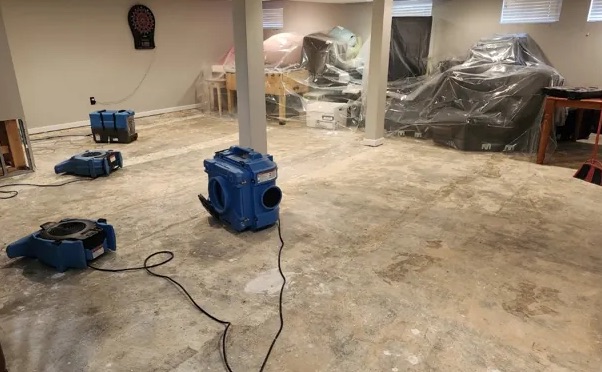
Plastic sheeting seals doorways and vents. Professionals wear PPE and use negative air machines to contain mold spores on floor during the removal work.
Step 3: Affected Flooring Removal
Mold-damaged sections of flooring and subfloor are cut out and disposed of safely. This may involve carpet mold remediation or targeted hardwood floor mold removal.
Step 4: Drying, Cleaning, and Documentation
Industrial air movers and dehumidifiers dry the structure. All remaining surfaces are cleaned. Pros document the process with photos for your insurance review.
Common Causes of Floor Mold in Dyersburg
High Indoor Humidity Levels
Consistently high relative humidity, often from poor ventilation or AC issues, allows condensation to form on cooler floor surfaces, feeding mold.
Condensation From HVAC Systems
Improperly installed or insulated AC ductwork in floors or crawlspaces can cause condensation drip, directly wetting floor structures and insulation.
Poor Subfloor Ventilation
Inadequate airflow in crawlspaces or under raised floors traps moisture vapor, promoting mold growth on the underside of flooring and joists.
Flooding and Spill Incidents
Overflows from appliances, bathtubs, or external floodwater can soak into flooring materials, leading to rapid mold colonization if not dried quickly.
Floor Mold Removal for Homes and Businesses
Residential Floor Mold Removal
Moldy floor cleanup in your home prevents property damage and allergen exposure. The pros in Dyersburg handle mold under laminate in kitchens, on bathroom tile grout, and in basement concrete slabs to ensure your home's floors are clean and stable.
Commercial Floor Mold Removal
For businesses, flooring mold treatment addresses liability and operational continuity. The experts perform emergency floor mold containment in warehouses, remediate mold in office HVAC drip pans under floors, and ensure facilities meet health standards post-remediation.
Floor Mold Removal vs. DIY: When to Call Mold Remediation Pros
After a minor leak, air movers can help surface drying for a day. Dispose of obviously ruined items. For water in walls or under flooring, or any suspicion of black mold on floor, stop DIY and contact the pros.
Investment Considerations for Floor Mold Removal
Pricing for mold removal services in the area varies based on the mold spores on floor concentration and containment needs. Emergency floor mold containment adds urgency, while concrete slab mold mitigation often requires specialized treatment approaches.
Containment Complexity
Emergency floor mold containment setups, including physical barriers and negative air machines, add to project costs to prevent cross-contamination.
Post-Remediation Verification
A final mold inspection floor clearance test, using air sampling, may be recommended to confirm successful mold spores on floor elimination.
Drying and Dehumidification
Effective flooring mold treatment includes thorough drying to prevent recurrence, which impacts equipment rental time and operational costs.
Does Insurance Cover Floor Mold Removal?
Coverage for floor mold removal depends on the policy and moisture source. Restoration is often covered if from a sudden, covered peril. Local pros document damage with photos and moisture readings. The final decision belongs to the insurer.
Selecting the Pros for Floor Mold Removal
Safe Containment Procedures
Containment barriers and negative air pressure are used during mold removal services to isolate the work area and protect your home.
Focused Subfloor Expertise
The pros have specific experience with moldy subfloor removal and concrete slab mold mitigation, which are complex aspects of floor mold removal.
Structural Drying Expertise
Proper drying after moldy floor cleanup is critical, using industrial equipment to achieve dry standards and stop mold regrowth.
Immediate Floor Mold Removal Response Available
Unchecked mold growth poses health risks and can cause significant structural damage, like dry rot. If you suspect a serious issue, contact the specialists 24/7 by calling (615) 985-6819 for an urgent assessment.
Call Now (615) 985-6819Extended Floor Mold Removal Service Region
The places below are also served, and each one has its own page.
Your Floor Mold Removal Questions Addressed
What are signs of mold under floor removal needs?
Signs include a persistent musty odor, warping or buckling of flooring, visible mold on baseboards, and moisture readings that indicate dampness below the surface during a professional inspection.
How quickly does mold grow on floors after water damage?
Mold spores on floor can begin to colonize within 24 to 48 hours in damp conditions, making prompt water removal and drying critical to avoid needing major mold remediation.
What happens during a mold inspection for floors?
A mold inspection floor assessment involves visual examination, moisture meter and thermal imaging scans to find hidden dampness, and sometimes air or surface sampling to identify mold spore types and levels.
Does carpet mold remediation always require replacement?
Not always. If mold growth is superficial and caught early, professional deep cleaning can sometimes salvage the carpet. However, mold penetration into the padding usually necessitates replacement.
Is dry rot related to floor mold issues?
Yes, dry rot is a wood decay fungus that thrives in similar damp conditions as mold. Mold damage restoration often uncovers dry rot, requiring replacement of the affected structural wood members.