Chapel Hill, TN · Marshall County
Black Mold Remediation & Removal in Chapel Hill, TNBlack Mold Inspection & HEPA Vacuuming For Mold Spores
Effective black mold remediation & removal in Chapel Hill often requires mold containment procedures, mold-contaminated material removal, and HEPA vacuuming for mold spores.
Answered 24/7
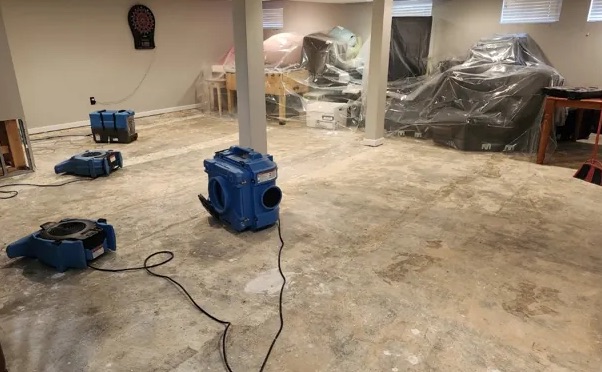
Local Black Mold Remediation & Removal for Chapel Hill Properties
In Chapel Hill, concerns about mold remediation cost should not delay necessary action. Professional mold removal services use effective methods like air scrubber installation and antimicrobial applications, which can prevent more expensive repairs later.
Local mold damage pros in Chapel Hill implement mold containment procedures and antimicrobial treatment for mold remediation to combat persistent growth. Their process includes air quality testing and moisture source correction, serving properties in Chapel Hill and nearby communities like Unionville, Spring Hill and Shelbyville.
Black Mold Remediation & Removal Methods Used in Chapel Hill
Black Mold Inspection
A black mold inspection is the first step to assess contamination levels for properties in Chapel Hill. It finds visible and hidden mold behind walls or under floors.
HEPA Vacuuming for Mold Spores
In the Chapel Hill area, the specialists use HEPA vacuuming as a standard cleaning procedure. It removes lingering contaminants from surfaces.
Moisture Control Consultation
An inspection by the pros evaluates air quality and surfaces to create a targeted remediation plan, addressing both visible colonies and airborne spores.
Mold Containment Procedures
The zone is sealed with plastic sheeting and a decontamination chamber. These measures are taken to control the environment and prevent cross-contamination.
Antimicrobial Treatment for Mold Remediation
Antimicrobial application is a common follow-up treatment in the mold remediation process. It is used on the structural surfaces that remain after contaminated materials have been taken out.
Warning Signs You Need Black Mold Remediation & Removal
Black Dust Around Vents
Dark dust collecting around air supply vents can indicate mold spores are being distributed through your HVAC system.
Recent Water Damage History
Previous leaks, flooding, or high humidity events create the perfect environment for toxic mold to begin growing unseen.
Damp Basement or Foundation Walls
Efflorescence, damp spots or general dampness in lower levels are ideal for black mold.
Deteriorating Attic or Crawlspace
Wet insulation, rotted wood or visible mold in these hidden spaces are common signs of a serious mold problem.
How Black Mold Remediation & Removal Works in Chapel Hill
Step 1: Assessment and Action Plan
The service starts with a professional mold inspection to identify all growth and moisture issues, forming the blueprint for the entire mold remediation project.
Step 2: Establishing a Controlled Environment
To safely perform toxic mold removal, pros set up containment with negative air pressure and run industrial air scrubbers to protect the property's air quality.
Step 3: Eradication and Deep Cleaning
Mold-contaminated material removal is performed for porous items. Remaining structures are cleaned with HEPA vacuums and treated with antimicrobial agents.
Step 4: Validation and Preventive Advice
Post remediation verification, including possible air quality testing, confirms the cleanup. The pros also help fix the moisture cause.
What Leads to Black Mold Remediation
Improperly Dried Water Damage
Incomplete drying after a leak or flood leaves moisture in materials, and mold follows.
High Indoor Humidity Levels
Consistently high humidity from daily activities or a faulty AC unit provides the constant moisture mold spores need to thrive and spread.
Flooding From Storms or Appliances
Major water intrusion from storms or appliance failures soaks building materials. Prompt water extraction and drying help keep mold from starting.
Landscaping and Grading Issues
Soil sloping toward the foundation or dense planting against walls directs water into the structure, a key factor for mold prevention failure.
Residential and Commercial Black Mold Remediation & Removal in Chapel Hill
Residential Black Mold Remediation & Removal
After a home flood, inspection and removal prevent structural damage. The pros dry and sanitize affected areas.
Commercial Black Mold Remediation & Removal
For warehouses and industrial facilities, mold on stored goods or building materials can cause significant financial loss. Mold remediation services are scaled to handle large volumes of contaminated material removal and air purification.
Black Mold Remediation & Removal vs. DIY: When to Call Mold Damage Pros
Using a dehumidifier in damp basements or crawlspaces can assist with mold prevention by controlling moisture levels. If you smell a persistent musty odor or experience health symptoms, stop DIY efforts and schedule an assessment with the specialists.
Cost Considerations for Black Mold Remediation & Removal in Chapel Hill
In Chapel Hill, the final cost is set after an inspection identifies all affected materials and any testing that is needed.
Moisture Source Correction
Identifying and repairing the root cause, like a leaky pipe or poor ventilation, adds plumbing or carpentry service costs.
Post Remediation Verification
Independent air quality and surface testing to confirm the mold cleanup was successful is a final, confirmatory project cost.
Air Scrubber Requirements
The number and size of HEPA filtration units needed to clean the air during the mold remediation process influence equipment fees.
Does Insurance Cover Black Mold Remediation & Removal?
Mold removal is covered only if your policy includes it and the mold came from a covered water loss. The pros document the damage for your claim, and the insurer makes the decision.
Why Choose Local Pros for Black Mold Remediation & Removal in Chapel Hill
Detailed Damage Documentation
Photos and moisture logs created by the pros serve as a clear record for your personal review or insurance claim needs.
Post Remediation Verification Testing
Final air and surface sampling provides objective confirmation that the mold abatement process achieved clearance standards.
Containment Barrier Installation
Sealing the work area with plastic sheeting prevents the cross-contamination of mold spores to clean parts of your property.
Urgent Black Mold Remediation & Removal Available in Chapel Hill
A mold problem can escalate overnight. For urgent black mold remediation and air scrubber deployment to protect your indoor air, make the emergency call to (615) 985-6819.
Call Now (615) 985-6819Black Mold Remediation & Removal Service Area Including Chapel Hill
Each place listed below has its own page with local details.
- Black Mold Remediation & Removal in Unionville
- Black Mold Remediation & Removal in Spring Hill
- Black Mold Remediation & Removal in Thompson's Station
- Black Mold Remediation & Removal in Columbia
- Black Mold Remediation & Removal in White Bluff
- Black Mold Remediation & Removal in Bon Aqua Junction
- Black Mold Remediation & Removal in Lakewood
- Black Mold Remediation & Removal in Smyrna
FAQ for Black Mold Remediation & Removal in Chapel Hill
What is the difference between mold removal and abatement?
In the restoration industry, the terms are often used interchangeably. Both generally describe the professional process of eliminating mold contamination and returning indoor spore levels to a normal, safe range.
How does HEPA vacuuming for mold spores work?
After material removal, all remaining surfaces are vacuumed with HEPA-filtered equipment to capture any lingering spores and fine debris from the affected area.
What does mold containment procedures involve?
It involves sealing the work area with plastic sheeting and using negative air pressure with HEPA filters to prevent mold spores from spreading to clean zones.
Why is air scrubber installation used for mold?
Air scrubbers with HEPA filters continuously clean the air inside the containment zone, capturing airborne mold spores released during the removal and cleaning process.
How can mold prevention be maintained after remediation?
Keep humidity low, fix leaks promptly, vent bathrooms and kitchens and check damp-prone areas regularly.